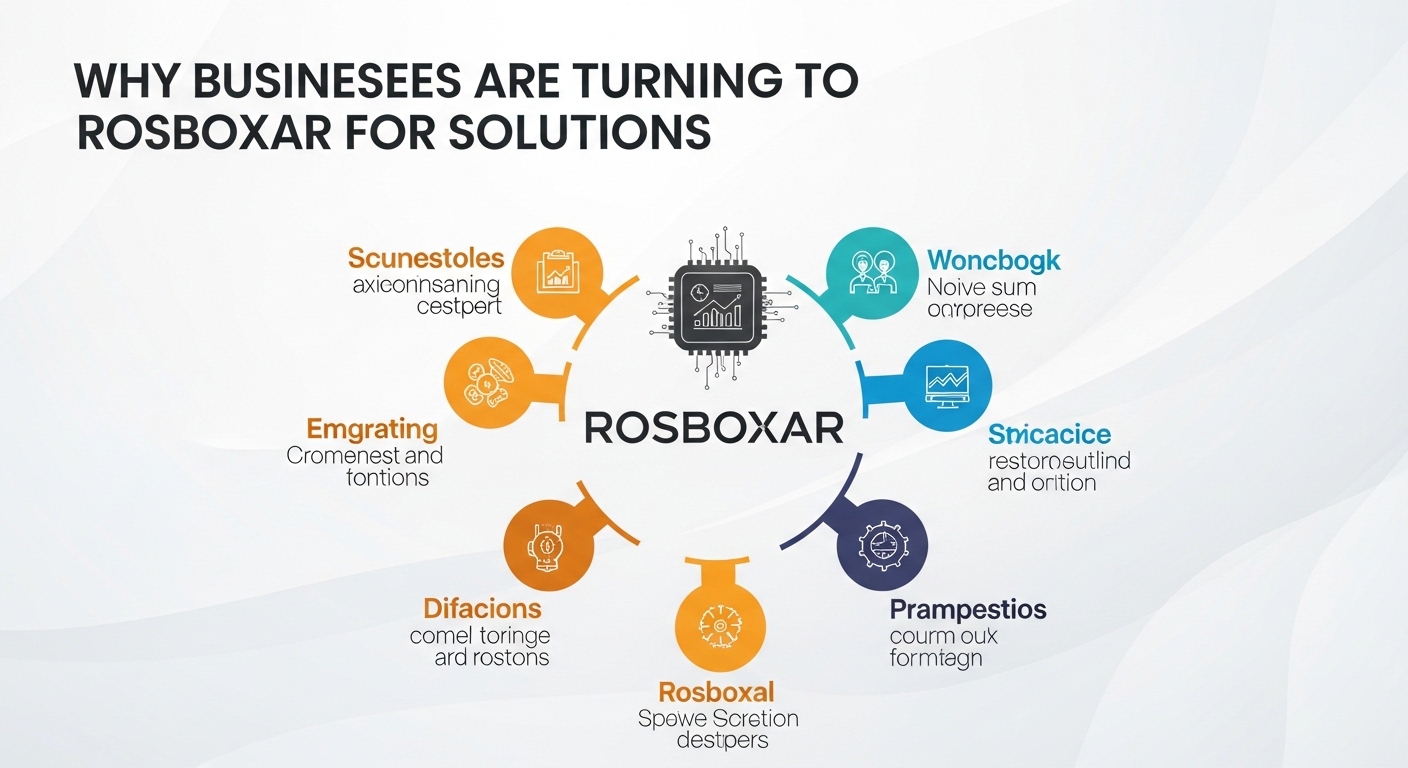
In today’s rapidly evolving digital economy, companies are constantly searching for smarter ways to streamline operations, improve efficiency, and stay ahead of competitors. This shift has pushed organizations to explore innovative platforms that can adapt to changing business demands without creating unnecessary complexity. One such emerging solution gaining attention across industries is Rosboxar, a platform that is quietly transforming how businesses approach problem-solving and digital integration.
The growing interest in Rosboxar is not accidental, as it reflects a broader trend toward flexible and scalable systems that can handle diverse business challenges. From startups to established enterprises, decision-makers are recognizing the importance of adopting tools that not only solve immediate issues but also prepare them for future growth. As industries continue to evolve, solutions like this are becoming essential for companies aiming to remain competitive in an increasingly technology-driven landscape.
The Core Concept Behind Rosboxar
At its foundation, Rosboxar represents a shift from rigid systems to adaptive frameworks that allow businesses to respond dynamically to operational needs. Traditional tools often force organizations to adjust their workflows to fit the system, which can lead to inefficiencies and missed opportunities. In contrast, this modern approach prioritizes customization and flexibility, enabling businesses to shape the platform around their unique processes.
This adaptability is particularly valuable in industries where change is constant and unpredictable. By offering a structure that can evolve alongside business requirements, Rosboxar empowers organizations to experiment, innovate, and refine their strategies without being constrained by outdated technology. This flexibility ultimately leads to improved productivity and a more agile approach to problem-solving, which is critical in today’s competitive environment.
Why Businesses Are Choosing Rosboxar Over Traditional Solutions
The shift toward Rosboxar is largely driven by the limitations of traditional systems that struggle to keep up with modern business demands. Legacy platforms often require significant maintenance, are difficult to scale, and lack the integration capabilities needed in a connected digital ecosystem. These challenges can slow down operations and hinder growth, making them less appealing to forward-thinking organizations.
In contrast, Rosboxar offers a streamlined experience that reduces complexity while enhancing functionality. Businesses appreciate the ability to integrate multiple processes into a single cohesive system, eliminating the need for fragmented tools. This unified approach not only improves efficiency but also reduces costs associated with managing multiple platforms, making it a compelling choice for organizations seeking long-term value.
Key Benefits Driving Adoption
One of the main reasons businesses are turning to Rosboxar is its ability to deliver measurable improvements in efficiency and performance. By simplifying workflows and automating repetitive tasks, companies can focus more on strategic initiatives rather than routine operations. This shift allows teams to allocate their time and resources more effectively, leading to better outcomes across the organization.
Another significant advantage is the platform’s scalability, which ensures that businesses can grow without outgrowing their systems. Whether a company is expanding its operations or entering new markets, Rosboxar provides the flexibility needed to support that growth. This scalability is complemented by robust performance capabilities, ensuring that the platform can handle increased demands without compromising reliability.
Industry Applications and Use Cases
The versatility of Rosboxar makes it suitable for a wide range of industries, each benefiting from its adaptable framework in unique ways. In the retail sector, businesses use it to streamline inventory management and enhance customer experiences, while in the financial industry, it helps improve data processing and compliance management. These diverse applications highlight the platform’s ability to address specific challenges across different sectors.
Similarly, organizations in healthcare, education, and technology are leveraging Rosboxar to improve efficiency and deliver better services. Its ability to integrate with existing systems allows businesses to enhance their operations without completely overhauling their infrastructure. This seamless integration is a key factor in its growing popularity, as it minimizes disruption while maximizing value.
Comparative Analysis of Business Solutions
To better understand the appeal of Rosboxar, it is helpful to compare it with traditional solutions in terms of performance, scalability, and cost-effectiveness. The following table illustrates how it stands out across key metrics:
| Feature | Traditional Systems | Rosboxar-Based Approach |
|---|---|---|
| Scalability | Limited | Highly Scalable |
| Integration | Complex | Seamless |
| Maintenance Costs | High | Reduced |
| Flexibility | Low | High |
| User Experience | Rigid | Intuitive |
This comparison demonstrates why businesses are increasingly moving away from conventional systems and embracing more modern solutions. The ability to combine efficiency with flexibility gives Rosboxar a distinct advantage in today’s competitive landscape.
The Role of Innovation in Business Transformation
Innovation has become a driving force behind business success, and Rosboxar plays a crucial role in enabling organizations to embrace new ideas and strategies. By providing a platform that supports experimentation and rapid development, it allows businesses to test new concepts without significant risk. This capability is essential for companies looking to stay ahead in industries where change is constant.
Furthermore, the platform’s emphasis on adaptability ensures that businesses can quickly respond to market trends and customer demands. This responsiveness not only improves competitiveness but also fosters a culture of continuous improvement within the organization. As a result, companies are better positioned to achieve sustainable growth and long-term success.
Implementation and Integration Strategies
Adopting Rosboxar requires a thoughtful approach to ensure a smooth transition and maximum benefits. Businesses must assess their existing systems and identify areas where integration can deliver the most value. This process often involves aligning the platform’s capabilities with organizational goals, ensuring that it supports both current operations and future growth plans.
Once implemented, the focus shifts to optimizing performance and refining workflows to fully leverage the platform’s potential. Continuous monitoring and adjustments are essential to maintain efficiency and address any challenges that arise. This proactive approach ensures that businesses can maximize their investment and achieve the desired outcomes from their adoption of Rosboxar.
Cost Efficiency and Return on Investment
One of the most compelling reasons businesses are turning to Rosboxar is its ability to deliver strong returns on investment. By reducing operational costs and improving efficiency, companies can achieve significant savings over time. These savings are further enhanced by the platform’s scalability, which eliminates the need for costly upgrades or replacements as the business grows.
The following table highlights the financial advantages of adopting Rosboxar compared to traditional systems:
| Cost Factor | Traditional Systems | Rosboxar-Based Approach |
|---|---|---|
| Initial Investment | High | Moderate |
| Maintenance Costs | Ongoing High | Lower |
| Upgrade Expenses | Frequent | Minimal |
| Operational Costs | High | Optimized |
| ROI Timeline | Long-Term | Faster Returns |
This financial efficiency makes Rosboxar an attractive option for businesses looking to optimize their budgets while maintaining high performance.
Challenges and Considerations
Despite its many advantages, adopting Rosboxar is not without challenges, as businesses must carefully evaluate their readiness for change. Transitioning to a new platform can require significant adjustments in workflows and employee training, which may initially impact productivity. However, these challenges are often temporary and can be mitigated with proper planning and support.
Another consideration is ensuring that the platform is aligned with the organization’s long-term goals. Businesses must take the time to understand its capabilities and how they can be leveraged to achieve strategic objectives. By addressing these considerations early in the adoption process, companies can minimize risks and maximize the benefits of Rosboxar.
Future Outlook and Market Trends
The growing adoption of Rosboxar reflects a broader shift toward flexible and scalable solutions that can adapt to changing business needs. As technology continues to evolve, platforms like this are expected to play an increasingly important role in shaping the future of business operations. Companies that embrace these innovations are likely to gain a competitive edge in their respective industries.
Looking ahead, the demand for adaptable solutions will continue to rise as businesses seek to navigate an ever-changing landscape. Rosboxar is well-positioned to meet this demand, offering a combination of innovation, efficiency, and scalability that aligns with the needs of modern organizations. This trend suggests that its influence will only continue to grow in the coming years.
Conclusion: A Strategic Shift Toward Smarter Solutions
The increasing interest in Rosboxar highlights the importance of adopting modern solutions that can address the complexities of today’s business environment. By offering flexibility, scalability, and efficiency, it provides a powerful alternative to traditional systems that often struggle to keep up with evolving demands. This shift represents a strategic move toward smarter, more adaptable approaches to problem-solving.
As businesses continue to explore new ways to improve performance and drive growth, the role of innovative platforms like Rosboxar will become even more significant. Organizations that embrace these solutions are better equipped to navigate challenges, seize opportunities, and achieve long-term success in a competitive and dynamic marketplace.