
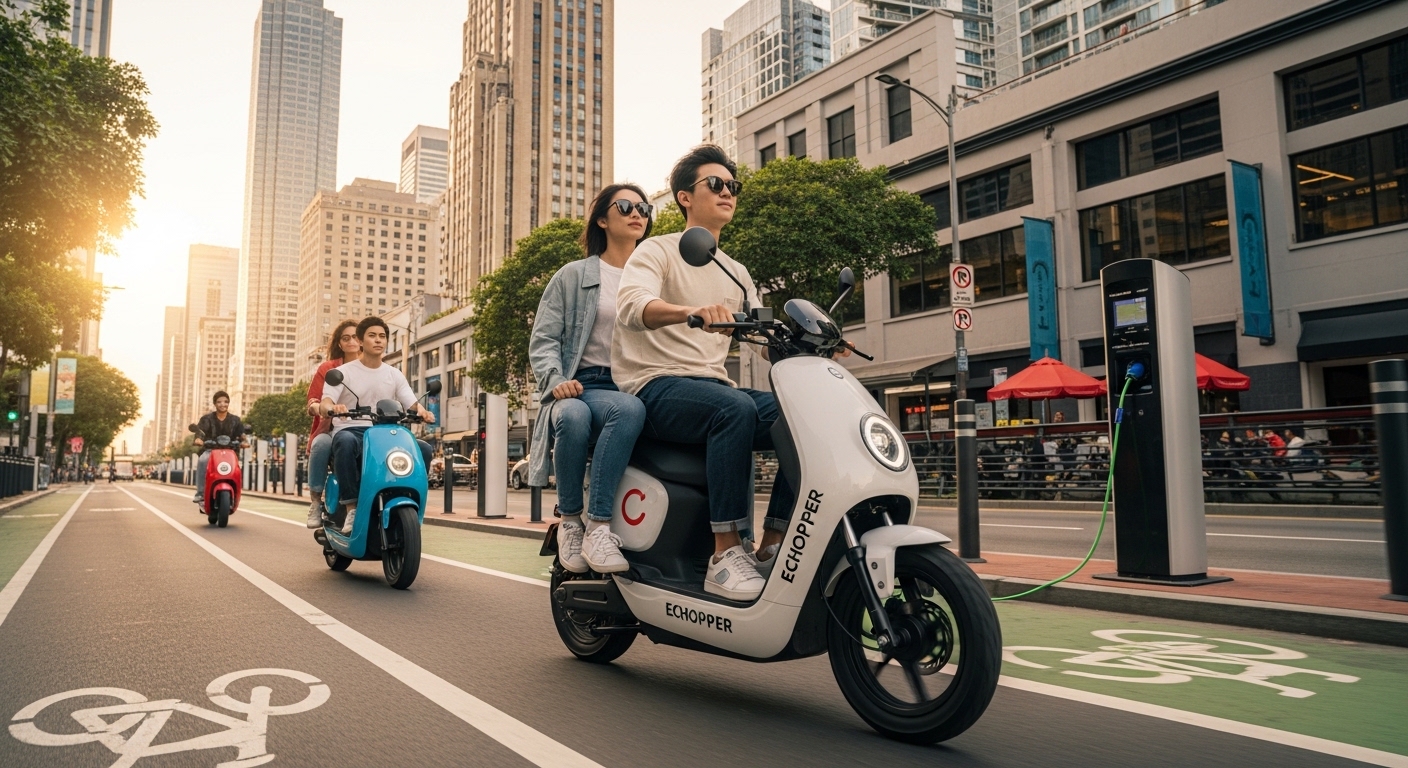
Urban transportation has undergone a massive transformation in recent years, driven by increasing population density and the urgent need for sustainable solutions. Among the innovations shaping this shift, Echopper has emerged as a compelling alternative to traditional commuting methods. With its sleek design and electric-powered efficiency, it represents a modern response to traffic congestion, pollution, and rising fuel costs. Cities worldwide are embracing this change, and individuals are increasingly opting for smarter, eco-friendly travel options.
The growing appeal of Echopper lies in its ability to blend convenience with environmental responsibility. As people search for ways to reduce their carbon footprint while maintaining mobility, electric scooters are stepping into the spotlight. The adaptability of Echopper across various urban landscapes makes it a practical choice for daily commuters, students, and even tourists. This shift signals a broader movement toward sustainable urban living that prioritizes efficiency without sacrificing accessibility.
Echopper and the Evolution of Urban Transportation
The concept of urban mobility has evolved dramatically over the past decade, influenced by technological advancements and changing consumer preferences. Echopper plays a vital role in this transformation by offering a compact and efficient mode of transport. Unlike traditional vehicles, it eliminates the dependency on fossil fuels and significantly reduces emissions, making it a forward-thinking solution for modern cities.
As urban areas continue to expand, the need for flexible and scalable transportation systems becomes more critical. Echopper addresses this demand by providing an alternative that requires minimal infrastructure while delivering maximum convenience. Its ability to navigate through congested streets with ease highlights its practicality, especially in cities where traffic delays are a daily challenge. This innovation is redefining how people perceive short-distance travel.
Environmental Impact of Echopper in Urban Spaces
One of the most compelling aspects of Echopper is its contribution to environmental sustainability. Traditional vehicles are major contributors to air pollution, releasing harmful emissions that degrade air quality. In contrast, electric scooters operate on clean energy, significantly reducing the environmental burden. This shift toward eco-friendly transportation aligns with global efforts to combat climate change.
Urban environments benefit immensely from reduced noise pollution as well. Echopper operates quietly, creating a more peaceful city atmosphere compared to conventional motor vehicles. This feature not only enhances the quality of life for residents but also supports urban planning initiatives aimed at creating healthier living spaces. The cumulative impact of widespread adoption could lead to cleaner, quieter, and more livable cities.
Economic Advantages of Choosing Echopper
The economic benefits associated with Echopper extend beyond individual savings and contribute to broader financial efficiency. Users experience lower operational costs compared to traditional vehicles, as electricity is significantly cheaper than fuel. Maintenance requirements are also minimal, making it an affordable option for long-term use.
From a city-level perspective, the adoption of Echopper can reduce infrastructure strain and transportation costs. Governments can allocate fewer resources to road maintenance and traffic management due to decreased vehicle congestion. This economic efficiency supports sustainable urban development while encouraging individuals to adopt cost-effective mobility solutions that align with modern lifestyles.
Technological Innovations Driving Echopper Growth
Technological advancements play a crucial role in the increasing popularity of Echopper. Modern electric scooters are equipped with smart features such as GPS tracking, mobile app integration, and advanced battery systems. These innovations enhance user experience by providing real-time data and improved control over the vehicle.
Battery technology, in particular, has seen significant improvements, enabling longer travel distances and faster charging times. Echopper benefits from these developments, making it a reliable choice for daily commuting. As technology continues to evolve, the efficiency and performance of electric scooters are expected to improve further, solidifying their place in the future of urban mobility.
Urban Infrastructure and Echopper Integration
The integration of Echopper into urban infrastructure is a key factor in its widespread adoption. Cities are increasingly designing dedicated lanes and parking spaces for electric scooters to ensure safety and convenience. This infrastructure development supports the seamless incorporation of new mobility solutions into existing transportation systems.
Urban planners recognize the importance of accommodating diverse modes of transport, and Echopper fits perfectly within this vision. By reducing reliance on larger vehicles, cities can optimize space and improve traffic flow. The collaboration between technology providers and municipal authorities is essential for creating a sustainable and efficient urban mobility ecosystem.
User Experience and Daily Convenience
Echopper offers a user-friendly experience that appeals to a wide range of individuals. Its intuitive design and ease of operation make it accessible even for first-time users. The convenience of quick acceleration and smooth handling enhances the overall commuting experience, making daily travel less stressful.
The portability and compact nature of Echopper also contribute to its practicality. Users can easily park and store their scooters without requiring large spaces. This feature is particularly beneficial in densely populated urban areas where parking is often a challenge. The simplicity and efficiency of this mode of transport make it an attractive option for modern commuters.
Safety Considerations in Echopper Usage
Safety is a critical aspect of any transportation system, and Echopper is no exception. Manufacturers are incorporating advanced safety features such as improved braking systems, LED lighting, and stability controls. These enhancements ensure a safer riding experience, even in busy urban environments.
Regulations and guidelines also play a significant role in promoting safe usage. Cities are implementing rules regarding speed limits and designated riding zones to minimize accidents. As awareness grows, users are becoming more conscious of safety practices, contributing to a more secure and responsible commuting culture.
Comparative Analysis of Echopper and Traditional Vehicles
Understanding the advantages of Echopper becomes clearer when compared to traditional vehicles. The following table highlights key differences that illustrate its growing popularity in urban settings.
| Feature | Echopper Electric Scooter | Traditional Vehicle |
|---|---|---|
| Energy Source | Electric Battery | Fossil Fuel |
| Environmental Impact | Low Emissions | High Emissions |
| Operating Cost | Low | High |
| Maintenance | Minimal | Extensive |
| Noise Level | Quiet | Loud |
This comparison demonstrates how Echopper provides a more sustainable and cost-effective alternative to conventional transportation. The reduced environmental impact and lower operational expenses make it a compelling choice for modern urban dwellers seeking efficient mobility solutions.
Challenges Facing Echopper Adoption
Despite its numerous advantages, Echopper faces certain challenges that could impact its widespread adoption. One of the primary concerns is the availability of charging infrastructure. While battery technology has improved, the lack of sufficient charging stations can limit usability in some areas.
Another challenge is regulatory uncertainty in different regions. Governments are still adapting to the rapid growth of electric scooters, leading to varying rules and restrictions. Addressing these challenges requires collaboration between policymakers, manufacturers, and urban planners to create a supportive environment for sustainable transportation.
Future Outlook of Echopper in Urban Mobility
The future of Echopper looks promising as cities continue to embrace innovative transportation solutions. With ongoing advancements in technology and infrastructure, electric scooters are expected to become an integral part of urban mobility systems. Their ability to adapt to changing urban landscapes positions them as a long-term solution for sustainable transportation.
As awareness of environmental issues grows, more individuals are likely to adopt eco-friendly commuting options. Echopper represents a shift toward a cleaner and more efficient future, where mobility is both accessible and responsible. This trend is set to reshape the way people move within cities, creating a more sustainable urban environment.
Conclusion: Echopper as a Catalyst for Change
Echopper is more than just a mode of transportation; it is a symbol of the evolving urban lifestyle. Its impact on sustainability, cost efficiency, and convenience highlights its potential to transform how people navigate cities. By addressing modern challenges and offering innovative solutions, it is redefining the concept of mobility.
The continued growth of Echopper signals a shift toward smarter and greener transportation systems. As cities adapt to this change, the integration of electric scooters will play a crucial role in shaping the future of urban living. This transformation reflects a broader commitment to sustainability and innovation, paving the way for a more efficient and environmentally conscious world.