Infidelity has long been a gripping theme in literature, weaving tales of betrayal, heartbreak, and moral dilemmas. The term “incfidelibus” encapsulates this complex phenomenon, inviting readers to explore the depths of human relationships and the consequences of straying from fidelity. From classic novels to contemporary films, authors have masterfully portrayed infidelity as both a source of conflict and an avenue for character development. As we delve into how these narratives unfold on the page and screen, we’ll examine not only what incfidelibus means but also why it continues to resonate with audiences today. Whether you’re drawn to stories that challenge societal norms or those that dive deep into personal anguish, you’ll find that infidelity serves as a powerful lens through which we can understand ourselves and each other better.
What is incfidelibus?
Incfidelibus, a term derived from Latin, translates to “unfaithfulness” or “infidelity.” This concept extends beyond mere physical betrayal. It encompasses emotional disloyalty and the complex web of deceit that often accompanies such actions.
At its core, incfidelibus explores the fragile nature of trust in relationships. When characters grapple with faithlessness, it highlights vulnerabilities within their bonds. The ramifications can ripple through families and friendships alike.
Authors often delve into this theme to challenge societal norms around fidelity. By portraying infidelity, they invite readers to question their own values regarding commitment and loyalty.
This exploration leads to rich narratives filled with tension and dramatic conflict. Incfidelibus serves not just as a plot point but also as a lens for examining human behavior in all its messy glory.
The different ways authors depict infidelity in literature
Authors employ various techniques to depict infidelity in literature, transforming it into a compelling narrative element. Some choose the subtle approach, where betrayal simmers beneath surface interactions. The tension builds gradually, creating an atmosphere thick with unspoken emotions.
Others opt for dramatic revelations that shake the foundation of relationships. These moments often serve as catalysts for character development and plot progression.
In contrast, some narratives explore infidelity through multiple perspectives. This technique allows readers to delve into the motivations behind each character’s actions, revealing complex emotional landscapes.
Symbolism frequently plays a role as well; objects or settings might represent secrets and desires. Through this lens, authors can craft rich layers of meaning around acts of betrayal.
The exploration of societal norms surrounding infidelity adds yet another dimension to these portrayals—challenging readers’ perceptions while reflecting cultural attitudes toward love and loyalty.
Infidelity as a plot device: Examples from popular books and movies
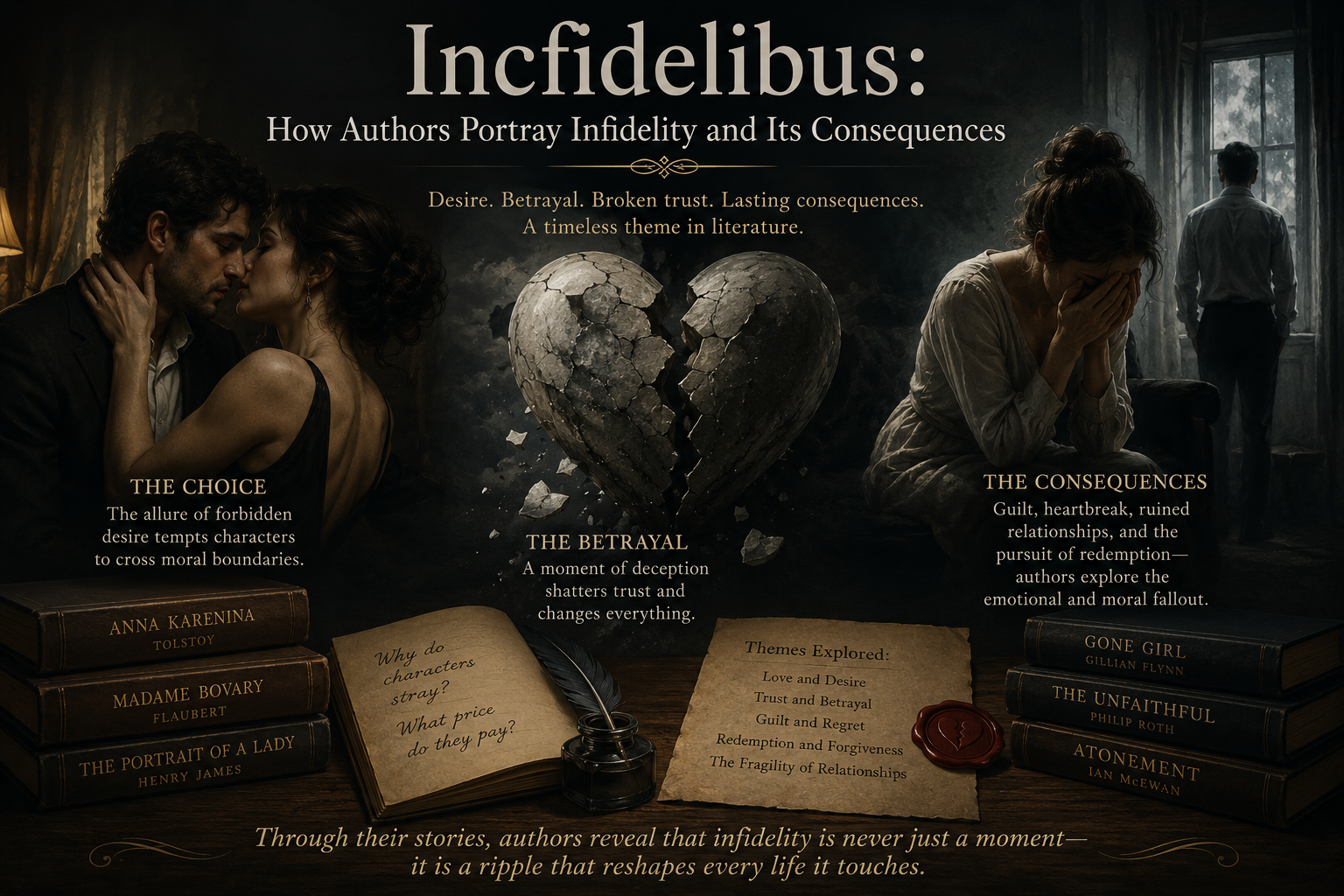
Infidelity often serves as a powerful plot device in literature and film, driving character development and conflict. Consider “Anna Karenina” by Leo Tolstoy. Anna’s affair with Count Vronsky not only shatters her marriage but also leads to tragic consequences that ripple through society.
In contemporary cinema, films like “Gone Girl” delve into the dark side of infidelity. The narrative twist reveals layers of deceit and manipulation, showcasing how betrayal can distort relationships.
TV series such as “The Affair” explore multiple perspectives on cheating, highlighting its complexities and emotional turmoil. Each episode invites viewers to question morality while empathizing with flawed characters.
These works illustrate how infidelity isn’t just about physical betrayal; it’s a mirror reflecting deeper issues like loneliness, desire for connection, or societal pressures. Through these narratives, audiences grapple with their own perceptions of loyalty and love.
The impact of infidelity on relationships and individuals
Infidelity shakes the foundation of trust in any relationship. When one partner strays, it often leads to a cascade of emotions—betrayal, anger, and heartbreak.
The impact can be devastating. Couples may find themselves questioning their love and commitment. What once felt secure becomes fragile and uncertain.
For the individuals involved, infidelity can trigger profound identity crises. They grapple with feelings of shame or guilt, which complicate healing processes. The path to recovery is rarely straightforward; it often requires deep reflection and honest conversations.
Moreover, infidelity doesn’t merely affect the two people at its center. Friends and family members become entangled in the fallout. Relationships ripple outward as loyalties shift and alliances form based on perceived betrayals.
Trust issues linger long after an affair has ended, making future relationships challenging for both partners involved. Rebuilding takes time—a journey that demands patience, empathy, and understanding from all sides.
The moral implications of infidelity in literature
Infidelity in literature often serves as a mirror reflecting society’s moral landscape. Authors wrestle with the complexities of betrayal, exploring its ethical ramifications on both personal and relational levels.
Characters who engage in infidelity frequently face dire consequences, prompting readers to question the nature of loyalty and trust. These narratives challenge us to consider whether forgiveness is possible or if betrayal irreparably damages relationships.
Moreover, writers use infidelity to explore themes of desire, power dynamics, and the search for identity. The act itself raises questions about commitment: Is fidelity an outdated concept?
As we delve into these stories, we confront our own beliefs about love and morality. Each tale invites reflection on what it means to be faithful in a world rife with temptation.
How readers relate to and perceive infidelity in literature
Readers often find themselves drawn to stories of infidelity. This theme resonates deeply, stirring emotions and sparking curiosity about human flaws.
When characters stray from their vows, it opens a window into the complexities of love and desire. Readers can relate to feelings of betrayal or envy, reflecting on their own experiences—real or imagined.
Infidelity in literature allows audiences to explore moral dilemmas without real-life consequences. It serves as a safe space for examining personal values against societal norms.
Additionally, these narratives prompt discussions about trust and commitment. They challenge readers to ponder what drives individuals to seek connections outside established relationships.
The portrayal of infidelity fosters empathy as readers witness the fallout from choices made by flawed characters navigating imperfect lives. Each story becomes an exploration of vulnerable human nature intertwined with passion and heartache.
The role of infidelity in storytelling and its portrayal in society
Infidelity often serves as a powerful narrative tool in storytelling. It introduces conflict, tension, and emotional depth that captivate audiences. The betrayal of trust can shatter characters’ worlds, making their journeys more compelling.
In literature and film, infidelity reflects societal norms and personal struggles. Authors use it to explore themes of love, loyalty, and morality. These stories resonate because they mirror real-life dilemmas faced by many.
The portrayal of infidelity varies greatly across cultures and eras. Some narratives depict it as a tragic flaw while others glamorize the act itself. This duality prompts readers to confront their own beliefs about relationships.
Moreover, society’s view on infidelity evolves over time. What was once stigmatized may become normalized or even celebrated in contemporary culture. Such shifts influence how stories are received and interpreted by different generations.
Conclusion
Infidelity, or incfidelibus, is a compelling theme that resonates deeply within the realms of literature and storytelling. Authors utilize it not just to create conflict but also to explore complex human emotions and moral dilemmas. The different portrayals of infidelity reveal varying motivations behind characters’ choices and shed light on the consequences these actions can have on relationships.
From classic novels to contemporary films, infidelity serves as a powerful plot device that drives narratives forward. It often highlights vulnerability, betrayal, and the fragility of trust between partners. This exploration allows readers to reflect on their values and perceptions surrounding fidelity.
Moreover, authors frequently use infidelity to challenge societal norms regarding love and commitment. By presenting characters who engage in affairs or experience betrayal, they provoke thought about the nature of relationships in our ever-evolving world.
As readers navigate these stories filled with moral ambiguity, they find themselves contemplating their beliefs about loyalty and honesty. Infidelity becomes more than just an act; it transforms into a lens through which we examine ourselves and our connections with others.
In essence, incfidelibus remains an enduring topic within literature due to its universal relatability—an exploration of desire gone awry highlighting both personal struggles and broader social commentary. Through engaging narratives that delve deep into human psychology, authors leave us pondering long after we’ve turned the last page or watched those final credits roll.