In the age of digital media and constant online curiosity, public attention often extends beyond celebrities themselves to include their families and personal lives. One name that continues to generate discussion online is Charity Nye. Over the years, interest surrounding Charity Nye has grown due to her reported connection to well-known science communicator and television personality Bill Nye. As online searches and social conversations continue to expand in 2026, many people remain curious about her background, public presence, and the ongoing speculation connected to her name.
The modern internet has transformed how information is shared and discussed. Public figures and individuals associated with them often become subjects of widespread attention, regardless of whether they actively seek visibility. Charity Nye represents a clear example of how digital culture can amplify curiosity around private individuals, especially when celebrity associations and online rumors become involved.
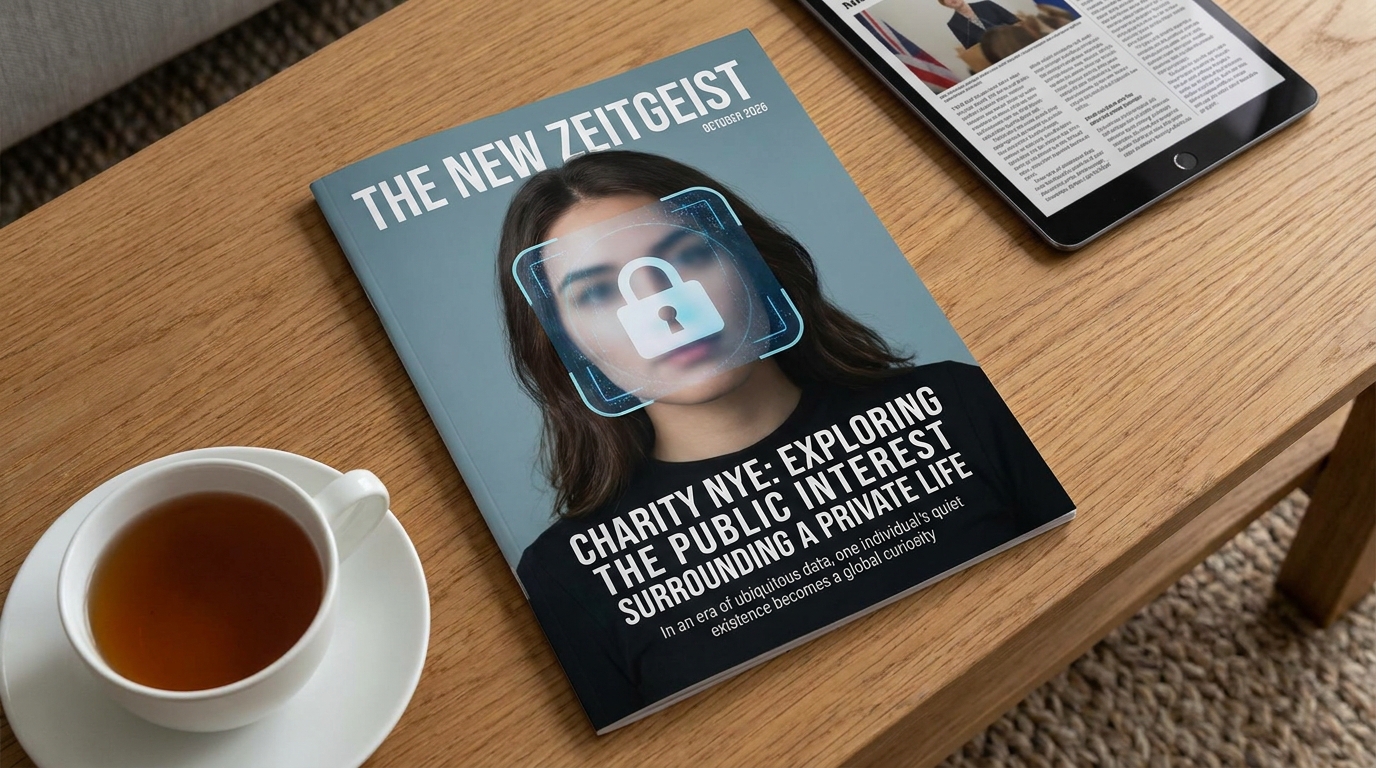
Despite significant public interest, verified information about Charity Nye remains limited. This lack of publicly available details has contributed to continued speculation across social media platforms, blogs, and entertainment discussions. In today’s digital environment, where information travels instantly and online narratives spread rapidly, privacy has become increasingly difficult to maintain.
The Rise of Online Curiosity and Celebrity Connections
The internet has dramatically changed the relationship between celebrities and the public. In previous decades, information about public figures was controlled primarily by television, newspapers, and magazines. Today, online platforms allow discussions, theories, and rumors to spread globally within minutes.
Charity Nye became a topic of online interest largely because of reports linking her to Bill Nye, widely recognized for his contributions to science education and television entertainment. Bill Nye’s long-standing popularity and public visibility naturally encouraged curiosity about his personal life and possible family relationships.
Celebrity culture in 2026 extends far beyond official interviews or media appearances. Fans and internet users frequently search for details about the lives of public figures, including relationships, family members, and personal histories. As a result, individuals connected to celebrities can unexpectedly become subjects of public attention, even if they choose to remain private.
The digital era has intensified this phenomenon. Search engines, social media platforms, and online forums continuously fuel interest in personalities connected to famous individuals. Charity Nye’s name continues to appear in online discussions because public curiosity often grows when information is limited or unclear.
Privacy in the Digital Age
One of the most important conversations surrounding figures like Charity Nye involves the issue of privacy in modern society. In 2026, maintaining a private life has become increasingly difficult due to the constant expansion of digital communication and online media coverage.
The internet allows information to spread rapidly, but it also creates environments where speculation can overshadow verified facts. Many individuals connected to celebrities prefer to avoid public attention entirely, choosing to live outside the spotlight despite widespread curiosity. Charity Nye is frequently discussed in this context because there is very little confirmed public information available about her personal life.
Privacy concerns have become especially significant in an era where social media encourages continuous sharing and public visibility. Many people now recognize the importance of protecting personal boundaries, particularly for individuals who did not voluntarily enter public life.
Discussions surrounding celebrity families often raise ethical questions about online behavior and media responsibility. While public curiosity is natural, respecting personal privacy remains an important part of responsible digital culture. Charity Nye’s situation highlights the growing tension between internet curiosity and the right to maintain a private identity.
The Influence of Social Media on Public Narratives
Social media platforms play a major role in shaping public conversations and online narratives. Platforms such as X, Instagram, TikTok, and YouTube allow information and speculation to spread quickly across global audiences. In many cases, rumors gain momentum even when reliable evidence is limited.
Charity Nye has frequently been mentioned in online discussions fueled by social media interest and celebrity-focused content. Digital algorithms often amplify trending topics, increasing visibility for names associated with well-known personalities. As a result, curiosity can continue for years, even when few verified details exist.
The rise of content-driven online culture has also encouraged creators and websites to discuss celebrity connections as a way to attract attention and engagement. This environment often blurs the line between factual reporting and speculation. Audiences in 2026 are becoming more aware of the importance of verifying information before accepting online claims as accurate.
Social media has also changed how people respond to privacy and public attention. Some individuals choose to embrace visibility and build online audiences, while others intentionally avoid digital exposure. Charity Nye’s limited public presence has contributed to ongoing curiosity because modern internet culture often interprets privacy as mystery.
Public Fascination With Celebrity Families
Interest in celebrity families has existed for generations, but the digital age has intensified public fascination. Audiences are often curious about the personal lives of public figures because it creates a sense of familiarity and emotional connection. This curiosity extends naturally to spouses, children, and relatives.
Charity Nye represents a broader example of how individuals connected to celebrities can attract media attention despite remaining largely private. In many cases, public interest is driven by the desire to understand the personal side of famous personalities.
The entertainment industry and online media frequently emphasize stories involving celebrity relationships and family connections because they attract strong audience engagement. Search trends in 2026 continue to show high interest in personal stories related to public figures.
At the same time, modern audiences are becoming more aware of the challenges associated with constant public scrutiny. Discussions about mental health, online harassment, and digital ethics have encouraged more balanced conversations about celebrity culture and privacy.
Bill Nye’s Continuing Cultural Influence
Part of the ongoing curiosity surrounding Charity Nye comes from Bill Nye’s lasting influence in science communication and popular culture. Known globally as “Bill Nye the Science Guy,” he became a recognizable figure through educational television programs that inspired generations of students and viewers.
In 2026, Bill Nye remains an influential public personality associated with science education, climate awareness, and public advocacy for scientific literacy. His continued relevance in media and education contributes to sustained interest in his personal life and family background.
Public figures with long careers often inspire deeper curiosity because audiences feel personally connected to them over time. Bill Nye’s approachable personality and educational impact have created strong audience loyalty across multiple generations.
This long-standing popularity naturally increases interest in any information connected to his personal relationships or possible family connections. Charity Nye’s name frequently appears in this context because audiences continue searching for details associated with well-known public figures.
The Importance of Responsible Online Information
The internet provides unlimited access to information, but it also creates challenges related to accuracy and reliability. In 2026, discussions about misinformation and digital responsibility remain highly important. Online users are increasingly encouraged to verify sources before sharing claims or assumptions.
The ongoing interest in Charity Nye demonstrates how easily online speculation can spread when official information is limited. Entertainment blogs, social media posts, and discussion forums often repeat unverified details, creating confusion about what is factual and what is speculative.
Responsible digital behavior involves recognizing the difference between public curiosity and confirmed information. As audiences become more media literate, there is growing awareness about the importance of ethical reporting and respectful online discussions.
The expansion of artificial intelligence and automated content generation has also increased the need for careful verification. AI-powered systems can rapidly reproduce and distribute information, making it even more important for users to evaluate credibility and accuracy.
The Changing Nature of Public Identity
The concept of public identity has evolved significantly in the digital era. In previous generations, individuals connected to celebrities could remain relatively unknown if they avoided media appearances. Today, search engines and social media can generate widespread attention almost instantly.
Charity Nye reflects this changing reality where even limited online mentions can create long-term public curiosity. Digital footprints often continue expanding over time as online discussions are repeated across multiple platforms.
At the same time, there is growing recognition that not everyone associated with a public figure wants visibility or media attention. Many individuals value personal privacy and choose to avoid online exposure entirely.
This shift has encouraged broader conversations about consent, digital ethics, and personal boundaries in internet culture. Audiences are increasingly aware that public interest should not automatically eliminate an individual’s right to privacy.
Modern Media and the Power of Speculation
Speculation has always been part of celebrity culture, but modern digital platforms have amplified its reach and speed. Online communities often build narratives around limited information, especially when public curiosity remains high.
Charity Nye’s name continues to attract attention partly because mystery often increases online engagement. The absence of confirmed public details allows speculation to persist across entertainment discussions and internet searches.
However, modern audiences are also becoming more critical of sensationalized reporting and rumor-driven content. Many users now prioritize trustworthy sources and balanced reporting rather than relying solely on viral discussions or social media trends.
This evolving media environment reflects broader cultural changes in how people consume and evaluate information online. Transparency, accuracy, and ethical reporting are becoming increasingly important in maintaining public trust.
Conclusion
Charity Nye remains a subject of public curiosity in 2026 largely because of her reported connection to one of the most recognizable science communicators in modern media history. While online interest continues to grow, verified public information about her remains limited, highlighting the complex relationship between celebrity culture, internet curiosity, and personal privacy.
The digital age has transformed how information spreads and how individuals connected to public figures experience attention. Social media, online discussions, and search-driven content continue shaping public narratives, often blurring the line between fact and speculation.
As audiences become more aware of digital ethics and responsible information sharing, conversations surrounding private individuals are gradually evolving toward greater respect and understanding. Charity Nye’s situation reflects the broader challenges of maintaining privacy in an interconnected world where curiosity, technology, and media influence continue to shape modern culture.