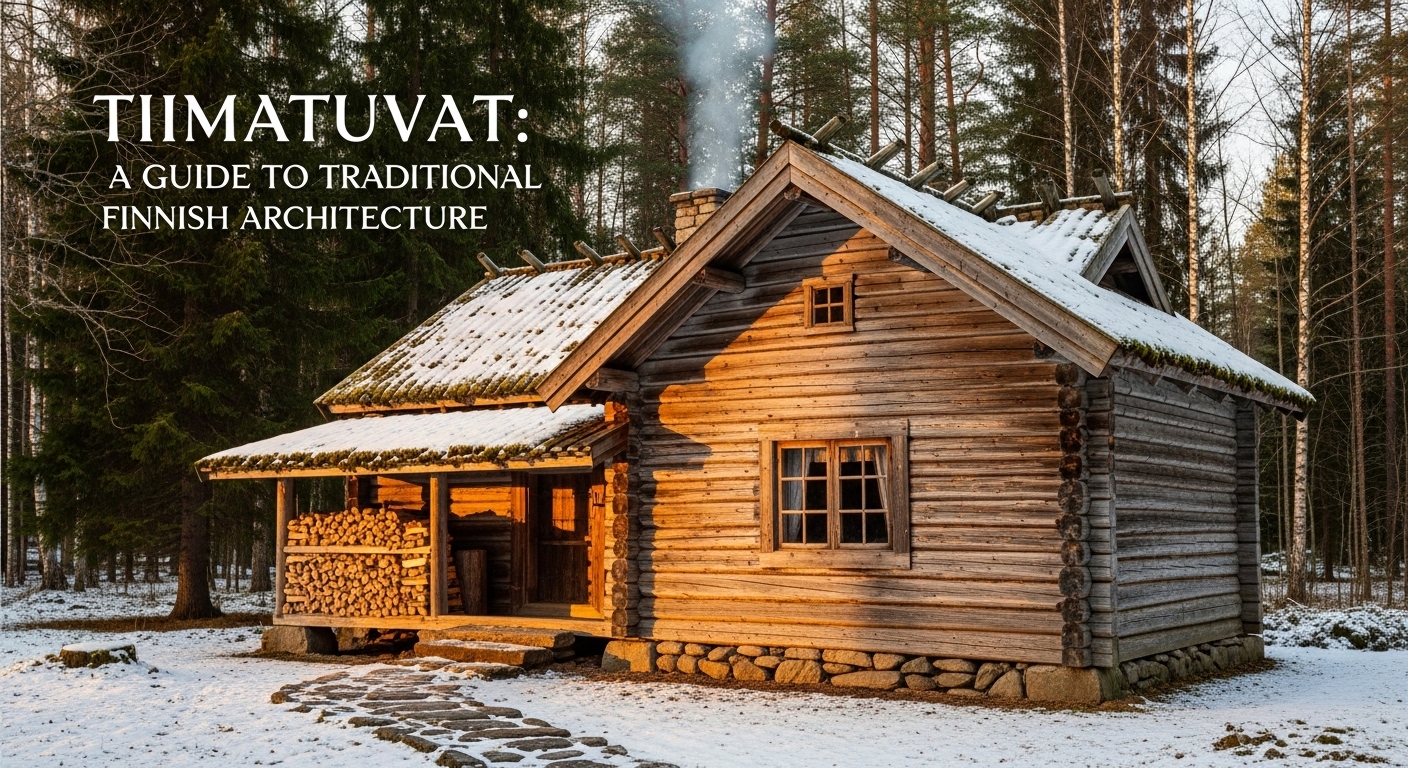
Tiimatuvat represent a deeply rooted expression of Finnish architectural heritage, reflecting centuries of adaptation to harsh climates and close relationships with nature. In Finland, where winters are long and daylight is scarce for much of the year, architecture has always been about survival, comfort, and harmony with the environment. The concept of Tiimatuvat embodies this philosophy, blending functional design with cultural symbolism. These traditional dwellings are not merely structures but living stories that showcase the resilience and ingenuity of Finnish communities throughout history.
The term Tiimatuvat is often associated with rural Finnish homes that emphasize wood construction, compact layouts, and energy efficiency. These homes were traditionally built by local craftsmen using materials sourced directly from nearby forests. Over time, Tiimatuvat evolved to incorporate regional variations while maintaining a consistent architectural identity. Today, they continue to inspire modern design trends in Finland and beyond, offering a timeless example of how architecture can coexist with nature while preserving cultural identity.
Historical Evolution of Tiimatuvat Architecture
The history of Tiimatuvat dates back several centuries, emerging during a time when Finland was largely agrarian and communities relied heavily on self-sufficiency. Early Tiimatuvat were simple log cabins constructed with minimal tools but exceptional craftsmanship. Builders used interlocking log techniques to create sturdy walls that could withstand extreme weather conditions. These structures were designed to retain heat during freezing winters, making them essential for survival in the Nordic climate.
As Finnish society evolved, so did the design of Tiimatuvat. During the 18th and 19th centuries, these homes began to incorporate more decorative elements and improved spatial organization. Windows became larger to allow more natural light, and interior layouts were adjusted to accommodate changing family needs. Despite these advancements, the core principles of Tiimatuvat remained intact, focusing on practicality, sustainability, and a strong connection to the surrounding landscape.
Key Architectural Features of Tiimatuvat
One of the most defining features of Tiimatuvat is the use of natural materials, particularly wood. Finnish forests have long provided an abundant supply of timber, making it the primary construction material for traditional homes. Logs are carefully selected and treated to ensure durability and insulation. The craftsmanship involved in assembling these structures is highly skilled, with each log fitting seamlessly into place without the need for modern fasteners.
Another notable characteristic of Tiimatuvat is their compact and efficient design. These homes are typically built with a focus on maximizing warmth and minimizing energy loss. Roofs are steeply pitched to prevent snow accumulation, and interiors are arranged to make the best use of limited space. Fireplaces often serve as the central feature, providing both heat and a gathering place for family members. This thoughtful design approach highlights the practicality and ingenuity of traditional Finnish architecture.
The Role of Climate in Shaping Tiimatuvat Design
Finland’s climate has played a crucial role in shaping the design and construction of Tiimatuvat. With temperatures frequently dropping below freezing and heavy snowfall during winter months, these homes are built to provide maximum insulation and protection. Thick wooden walls help retain heat, while small windows reduce heat loss. Every aspect of the design is carefully considered to ensure comfort and efficiency in extreme conditions.
In addition to insulation, ventilation is another important factor in design. Proper airflow helps prevent moisture buildup, which can lead to structural damage over time. Builders traditionally incorporated features such as adjustable vents and strategically placed openings to maintain a healthy indoor environment. This balance between insulation and ventilation demonstrates the deep understanding of climate-responsive design that defines Tiimatuvat architecture.
Interior Design and Living Spaces in Tiimatuvat
The interiors of Tiimatuvat are characterized by simplicity, warmth, and functionality. Spaces are often designed to serve multiple purposes, reflecting the practical needs of rural Finnish life. Wooden surfaces dominate the interior, creating a cozy and inviting atmosphere. Natural light is maximized through carefully placed windows, enhancing the sense of openness despite the compact layout.
Furniture and decor in are typically minimalistic, focusing on essential items that offer both comfort and utility. Traditional elements such as woven textiles, handcrafted wooden furniture, and simple decorative accents add character without overwhelming the space. This approach to interior design emphasizes balance and harmony, aligning with the broader principles of Finnish architecture.
Materials and Construction Techniques in Tiimatuvat
The construction of Tiimatuvat relies heavily on traditional techniques that have been passed down through generations. Log building is one of the most important methods, involving precise cutting and fitting of timber to create strong and durable structures. This technique not only ensures stability but also provides excellent insulation, making it ideal for the Finnish climate.
In addition to logs, other natural materials such as stone and clay are sometimes used in construction. These materials enhance the structural integrity of the building while maintaining its connection to the natural environment. The emphasis on locally sourced materials reflects a sustainable approach to architecture that remains relevant in modern times.
Table: Common Materials Used in Tiimatuvat Construction
| Material | Purpose | Benefits |
|---|---|---|
| Timber Logs | Main structural component | Insulation and durability |
| Stone | Foundation and fireplaces | Strength and heat retention |
| Clay | Sealing and insulation | Moisture resistance |
| Glass | Windows | Natural light and visibility |
Cultural Significance of Tiimatuvat in Finnish Society
Tiimatuvat hold a special place in Finnish culture, representing a way of life that values simplicity, resilience, and connection to nature. These homes are often associated with rural traditions, family gatherings, and a slower pace of life. They serve as a reminder of Finland’s historical roots and the importance of preserving cultural heritage.
In modern Finland, Tiimatuvat continue to influence architectural design and cultural identity. Many people view these traditional homes as symbols of authenticity and sustainability. Efforts to preserve and restore Tiimatuvat are seen as essential for maintaining a link to the past while adapting to contemporary needs.
Modern Adaptations of Tiimatuvat Architecture
While traditional Tiimatuvat remain an important part of Finnish heritage, modern adaptations have introduced new elements to meet contemporary standards. Architects today are inspired by the principles of incorporating them into modern homes that combine traditional aesthetics with advanced technology. This fusion of old and new creates a unique architectural style that is both functional and visually appealing.
Modern Tiimatuvat often feature improved insulation, energy-efficient systems, and innovative design solutions. Despite these advancements, the core values of simplicity, sustainability, and harmony with nature are preserved. This demonstrates the enduring relevance of Tiimatuvat architecture in a rapidly changing world.
Sustainability and Environmental Impact of Tiimatuvat
Sustainability is a key aspect of Tiimatuvat architecture, reflecting a long-standing tradition of environmentally conscious building practices. The use of renewable materials such as wood reduces the environmental impact of construction, while energy-efficient designs minimize resource consumption. These principles align with modern sustainability goals, making Tiimatuvat a valuable model for eco-friendly architecture.
In addition to material choices, the design of Tiimatuvat promotes a sustainable lifestyle. Compact layouts reduce the need for excessive heating, and the integration of natural elements enhances overall well-being. This holistic approach to sustainability highlights the importance of balancing human needs with environmental responsibility.
Regional Variations of Tiimatuvat Across Finland
Different regions of Finland have developed their own variations of Tiimatuvat, reflecting local conditions and cultural influences. In northern areas, homes are often designed with extra insulation to withstand extreme cold, while southern regions may incorporate larger windows and more open layouts. These variations demonstrate the adaptability of architecture to diverse environments.
Despite regional differences, the fundamental characteristics of Tiimatuvat remain consistent. The emphasis on natural materials, efficient design, and cultural significance is evident across all variations. This unity within diversity highlights the strength and versatility of traditional Finnish architecture.
Preservation and Future of Tiimatuvat
Preserving Tiimatuvat is essential for maintaining Finland’s architectural heritage and cultural identity. Restoration projects and heritage programs play a crucial role in protecting these traditional homes from deterioration. By investing in preservation efforts, Finland ensures that future generations can experience and learn from this unique architectural tradition.
Looking ahead, the future of Tiimatuvat lies in their ability to adapt to modern needs while retaining their core values. As sustainability becomes increasingly important, the principles of architecture are likely to gain even greater relevance. By combining tradition with innovation, Tiimatuvat can continue to inspire and influence architectural design for years to come.
Conclusion
Tiimatuvat stand as a testament to the ingenuity and resilience of Finnish architecture, offering valuable insights into the relationship between humans and their environment. These traditional homes embody a timeless approach to design that prioritizes functionality, sustainability, and cultural significance. From their historical origins to their modern adaptations, Tiimatuvat continue to play an important role in shaping architectural practices.
As the world faces growing environmental challenges, the lessons of become increasingly relevant. Their emphasis on natural materials, energy efficiency, and harmony with nature provides a blueprint for sustainable living. By understanding and appreciating Tiimatuvat, we gain a deeper appreciation for the enduring legacy of traditional Finnish architecture and its potential to guide future innovations.