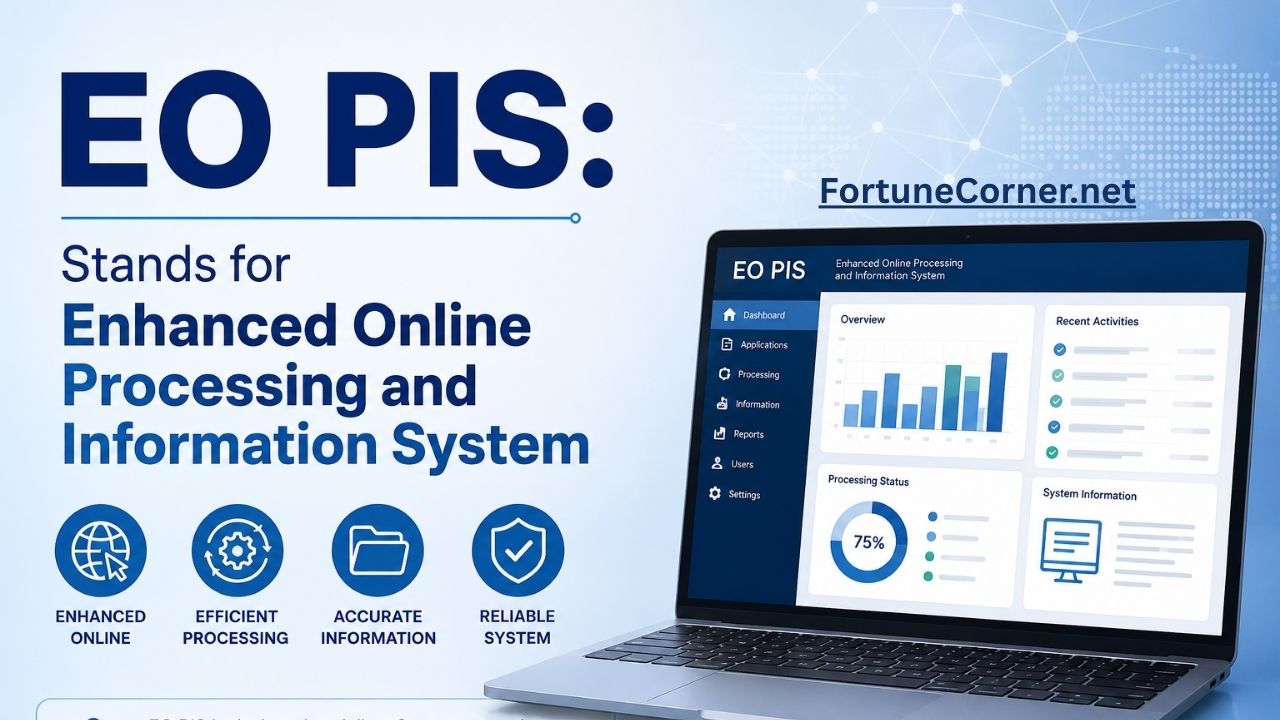
Digital transformation has changed the way organizations manage information, process data, and communicate across online platforms. Businesses, educational institutions, healthcare providers, and government sectors now depend on advanced systems that can handle large amounts of information securely and efficiently. EO PIS: Stands for Enhanced Online Processing and Information System represents a modern approach designed to simplify these operations while improving speed and accuracy.
The growing need for automation and secure data handling has increased the importance of intelligent information systems. Organizations require platforms that not only process information quickly but also support better decision-making and seamless digital experiences. EO PIS: Stands for Enhanced Online Processing and Information System has become a valuable concept in modern technology because it combines processing efficiency with advanced information management capabilities.
Understanding EO PIS: Stands for Enhanced Online Processing and Information System
The Meaning Behind EO PIS
EO PIS: Stands for Enhanced Online Processing and Information System, a framework designed to improve digital operations through faster processing and smarter information management. The system focuses on integrating data handling, automation, security, and online accessibility into one unified platform. Businesses use such systems to improve efficiency and reduce operational delays.
Modern industries rely heavily on digital tools, making online processing systems essential for productivity and communication. EO PIS supports organizations by offering centralized information handling, which reduces confusion and improves collaboration. This makes it suitable for companies seeking reliable and scalable technological solutions.
Why the Concept Matters Today
Technology-driven environments demand systems that can manage large datasets without sacrificing speed or accuracy. EO PIS helps organizations streamline workflows while ensuring data integrity and security. Companies adopting these systems often experience improved productivity and reduced operational costs.
The rise of cloud computing, remote work, and digital communication has further increased the importance of advanced information systems. EO PIS offers flexibility for organizations operating in dynamic digital environments. Its ability to support real-time processing makes it valuable in modern business ecosystems.
The Evolution of Online Processing Systems
Early Digital Information Systems
The first online processing systems were basic and focused mainly on storing information electronically. Organizations initially used these systems to reduce paperwork and simplify administrative tasks. However, early systems lacked advanced automation and real-time processing capabilities.
As internet connectivity improved, businesses began integrating online platforms into daily operations. This transition allowed organizations to access information more quickly and manage customer interactions more effectively. The development of systems like EO PIS reflects the continuous evolution of digital technology.
Modern Technological Advancements
Modern online processing systems are far more advanced than earlier digital solutions. They now include artificial intelligence, cloud integration, automation tools, and enhanced cybersecurity measures. EO PIS represents this new generation of systems that combine multiple technologies into one efficient framework.
Organizations today expect digital systems to deliver speed, reliability, and scalability. Advanced online processing platforms meet these demands by supporting large-scale operations and real-time data analysis. These improvements have transformed how businesses manage information and communicate internally.
Core Features of EO PIS
Centralized Information Management
One of the key strengths of EO PIS lies in centralized information management. Organizations can store, organize, and retrieve data from a single platform, reducing the chances of data duplication and inconsistency. This creates a more efficient and organized workflow.
Centralized systems also improve communication among departments by ensuring that employees access updated information. This reduces misunderstandings and supports faster decision-making. Businesses benefit from improved coordination and smoother operational processes.
Real-Time Data Processing
Real-time processing is another essential feature of EO PIS. Organizations can process information instantly, allowing them to respond quickly to changing conditions and customer needs. This capability is especially valuable in industries requiring immediate data access.
Faster processing also enhances customer satisfaction because services and transactions can be completed more efficiently. Businesses operating in competitive markets rely on real-time systems to maintain productivity and deliver consistent performance.
Benefits of EO PIS in Business Operations
Improved Operational Efficiency
Organizations adopting EO PIS often experience significant improvements in operational efficiency. Automated workflows reduce manual tasks, saving time and minimizing human error. Employees can focus on strategic responsibilities instead of repetitive administrative duties.
Improved efficiency also contributes to better resource management. Companies can optimize their processes, reduce delays, and improve productivity across departments. This creates a stronger operational foundation for long-term business growth.
Enhanced Decision-Making
Accurate and organized information plays a major role in business decision-making. EO PIS provides real-time access to important data, helping managers make informed choices quickly. Reliable information improves planning and strategic development.
Businesses can also analyze performance trends more effectively through advanced reporting features. Access to detailed insights allows organizations to identify opportunities and solve problems before they become serious challenges.
EO PIS and Digital Transformation
Supporting Modern Work Environments
Digital transformation has changed how businesses operate and communicate. EO PIS supports modern work environments by enabling secure online collaboration and information sharing. Employees can access essential data remotely without compromising security.
The ability to work from different locations has become increasingly important for global organizations. Online processing systems provide the flexibility needed for hybrid and remote work structures. This adaptability helps businesses remain competitive in changing markets.
Integrating Emerging Technologies
Modern systems are increasingly integrating artificial intelligence, machine learning, and cloud computing. EO PIS can support these technologies, creating smarter and more adaptive digital environments. Automation tools improve productivity while reducing repetitive workloads.
Organizations using advanced technologies gain better insights from their data. Predictive analytics and automated reporting allow businesses to anticipate trends and improve strategic planning. This integration strengthens operational performance and innovation.
Security Features in EO PIS
Data Protection and Privacy
Data security is one of the most important aspects of any online processing system. EO PIS includes security measures designed to protect sensitive information from unauthorized access and cyber threats. Encryption and secure authentication improve data safety.
Privacy regulations also require organizations to handle customer information responsibly. Advanced information systems help businesses comply with legal standards while maintaining customer trust. Secure systems reduce the risk of data breaches and financial losses.
Cybersecurity Strategies
Modern cyber threats are becoming more complex, making strong cybersecurity essential. EO PIS supports multiple security layers, including monitoring tools and access controls. These measures help organizations identify risks before they become major issues.
Businesses investing in cybersecurity protect not only their data but also their reputation. Reliable systems build confidence among customers, employees, and stakeholders. This trust is critical for maintaining long-term business success.
Applications of EO PIS Across Industries
Healthcare and Education
Healthcare organizations use advanced information systems to manage patient records, appointments, and treatment histories efficiently. EO PIS improves accessibility while supporting secure information sharing among medical professionals. Faster processing contributes to improved patient care.
Educational institutions also benefit from digital information systems by simplifying administrative tasks and online learning management. Students and teachers can access resources more easily, improving communication and educational experiences.
Finance and Government
Financial institutions depend on secure processing systems to manage transactions and customer data. EO PIS supports accuracy and speed, which are essential in banking and financial operations. Reliable systems help reduce errors and improve customer service.
Government organizations use online processing systems for public services, record management, and communication. Centralized platforms improve efficiency while making services more accessible to citizens. Digital transformation continues to improve government operations worldwide.
The Role of Automation in EO PIS
Reducing Manual Processes
Automation is a major advantage of modern information systems. EO PIS reduces the need for repetitive manual tasks by automating workflows and data management processes. This improves consistency and minimizes operational errors.
Employees benefit from automation because they can focus on creative and strategic activities. Businesses also save time and operational costs through improved workflow efficiency. Automated systems contribute to faster service delivery and higher productivity.
Increasing Productivity Levels
Organizations using automated processing systems often experience higher productivity levels. Tasks that previously required hours can now be completed within minutes. Faster operations improve overall organizational performance and customer satisfaction.
Automation also supports scalability, allowing businesses to handle increased workloads without significantly expanding staff requirements. This makes EO PIS valuable for organizations planning long-term growth and expansion.
Cloud Integration and EO PIS
The Importance of Cloud Technology
Cloud computing has become essential for modern businesses seeking flexible and scalable digital solutions. EO PIS integrates cloud technology to provide remote accessibility and secure data storage. Employees can access information from different locations in real time.
Cloud integration also reduces the need for expensive physical infrastructure. Businesses can scale operations more efficiently while maintaining reliable system performance. This flexibility is especially important in rapidly changing industries.
Enhancing Collaboration
Cloud-based systems improve collaboration by enabling multiple users to access and update information simultaneously. Teams can communicate more effectively and work together regardless of geographic location. This supports global business operations and remote teamwork.
Improved collaboration also contributes to better project management and faster decision-making. Organizations benefit from smoother communication channels and more organized workflows. Cloud integration continues to shape the future of digital operations.
Challenges in Implementing EO PIS
Technical Integration Issues
Although EO PIS offers many benefits, implementation can present technical challenges. Organizations may struggle with integrating new systems into existing infrastructures. Compatibility issues and migration processes can require significant planning and resources.
Businesses often need experienced IT professionals to ensure successful implementation. Proper planning and testing help reduce disruptions during system transitions. Organizations that invest in strategic implementation achieve better long-term results.
Employee Adaptation and Training
Employees may initially find it difficult to adapt to new digital systems. Training programs are necessary to help staff understand system functionalities and workflows. Effective training improves confidence and reduces operational mistakes.
Organizations that support employee learning create smoother transitions during digital transformation. Continuous education ensures that staff members remain comfortable using updated technologies and features. This improves overall productivity and system effectiveness.
EO PIS and Customer Experience
Faster Service Delivery
Customer expectations continue to rise in digital environments. EO PIS improves service delivery by reducing processing times and increasing response speed. Faster interactions contribute to better customer satisfaction and loyalty.
Efficient systems also minimize delays and communication gaps. Businesses can provide more reliable services while handling customer requests more effectively. This creates a stronger relationship between organizations and their customers.
Personalized User Experiences
Modern information systems allow businesses to analyze customer preferences and behaviors more accurately. EO PIS supports personalized experiences by organizing and processing customer data efficiently. Personalized services improve engagement and customer retention.
Organizations using advanced analytics can offer targeted recommendations and tailored communication. This helps businesses meet customer expectations while strengthening brand reputation and trust.
The Future of EO PIS
Emerging Technological Trends
The future of online processing systems will likely include deeper integration with artificial intelligence and predictive analytics. EO PIS is expected to become more adaptive and intelligent as technology continues to evolve. Automated systems will offer greater accuracy and faster insights.
Future developments may also improve cybersecurity, cloud integration, and real-time communication capabilities. Organizations adopting innovative systems will gain competitive advantages in rapidly changing digital markets.
Long-Term Business Impact
Advanced information systems will continue to influence business operations worldwide. EO PIS supports long-term growth by improving efficiency, scalability, and adaptability. Companies investing in digital transformation are better prepared for future challenges.
The increasing dependence on digital communication and online services makes advanced systems essential for modern organizations. Businesses that embrace technological innovation can maintain stronger market positions and improved operational performance.
Importance of Data Analytics in EO PIS
Understanding Business Performance
Data analytics helps organizations understand operational performance and customer behavior more effectively. EO PIS provides advanced analytical tools that transform raw data into meaningful insights. These insights support smarter business decisions and strategic planning.
Businesses can identify trends, monitor productivity, and evaluate market conditions more accurately. Better analytics contribute to stronger financial performance and improved operational efficiency. Organizations increasingly rely on data-driven strategies for long-term success.
Predictive Decision-Making
Predictive analytics allows businesses to forecast future trends and anticipate customer needs. EO PIS supports predictive technologies by processing information in real time. Organizations can prepare for challenges and opportunities before they occur.
This proactive approach improves business resilience and competitiveness. Companies that use predictive insights can adapt more quickly to market changes and customer demands. Advanced analytics continue to shape the future of digital operations.
EO PIS in Small and Large Organizations
Benefits for Small Businesses
Small businesses benefit from EO PIS by improving organization and reducing operational complexity. Automated systems simplify administrative tasks and support more efficient communication. This allows smaller companies to compete more effectively in digital markets.
Affordable cloud-based solutions make advanced systems accessible to businesses with limited resources. Small organizations can improve productivity without investing heavily in physical infrastructure. Digital transformation creates new growth opportunities for emerging companies.
Advantages for Large Enterprises
Large organizations manage vast amounts of data and require highly scalable systems. EO PIS provides centralized management and advanced processing capabilities suitable for enterprise-level operations. This improves coordination across departments and global offices.
Large enterprises also benefit from enhanced security and advanced analytics. Reliable systems support complex operations while maintaining efficiency and performance standards. Scalable digital solutions are essential for multinational organizations.
Conclusion
EO PIS: Stands for Enhanced Online Processing and Information System represents a major advancement in digital information management and online processing technology. Modern organizations rely on such systems to improve efficiency, automate workflows, and strengthen communication across departments. With real-time processing and centralized data management, EO PIS supports smoother operations and better decision-making.
As industries continue embracing digital transformation, advanced information systems will become even more important for long-term success. Businesses, healthcare providers, educational institutions, and government organizations can all benefit from secure and scalable online processing solutions. EO PIS demonstrates how technology can improve productivity, customer experiences, and operational performance in a rapidly evolving digital world.
FAQs
What does EO PIS stand for?
EO PIS stands for Enhanced Online Processing and Information System. It refers to a digital framework designed to improve online data processing and information management.
Why is EO PIS important?
EO PIS is important because it improves efficiency, security, and communication within organizations. It helps businesses process information quickly and accurately.
Which industries use EO PIS?
Healthcare, education, finance, government, and business sectors commonly use advanced online processing systems for efficient digital operations.
How does EO PIS improve productivity?
EO PIS automates repetitive tasks and streamlines workflows. This allows employees to focus on more strategic and creative responsibilities.
Is EO PIS secure?
Yes, modern systems include encryption, authentication, and cybersecurity measures to protect sensitive information and reduce security risks.
Can small businesses benefit from EO PIS?
Small businesses can improve organization, communication, and productivity through affordable cloud-based processing systems and automation tools.
What role does cloud technology play in EO PIS?
Cloud technology allows remote access, secure storage, and improved collaboration. It supports flexible and scalable digital operations.
Does EO PIS support real-time processing?
Yes, real-time processing is one of its core features. Organizations can access and process information instantly for faster decision-making.
How does EO PIS help customer experience?
EO PIS improves service speed, reduces delays, and supports personalized customer interactions through efficient information management.
What is the future of EO PIS?
The future includes deeper integration with artificial intelligence, predictive analytics, automation, and advanced cybersecurity technologies.