
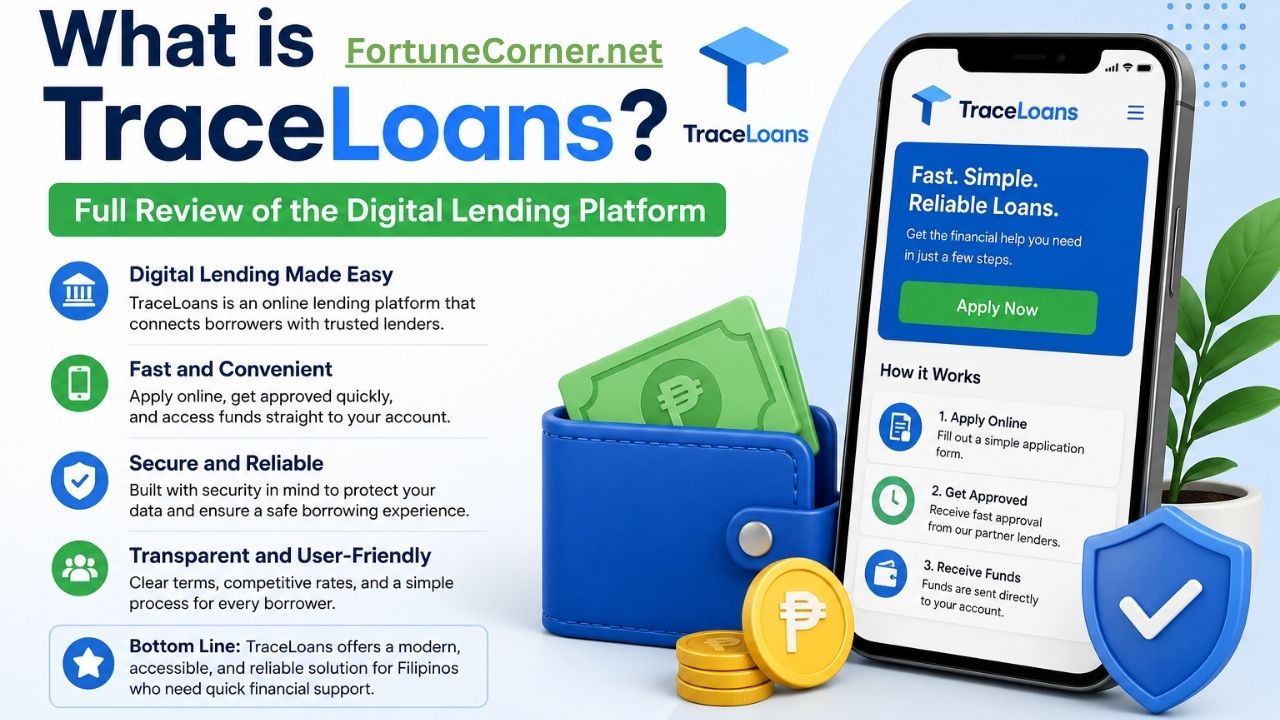
The digital finance industry has transformed the way people borrow money, manage repayments, and access financial services. Traditional banking systems often involve lengthy paperwork, delayed approvals, and strict eligibility requirements that discourage many borrowers. Modern lending platforms have stepped forward to simplify these processes with technology-driven solutions that are faster and more accessible. Among these emerging financial services, many users are now searching for detailed information about TraceLoans and how it operates in the online lending market.
Understanding What is TraceLoans? Full Review of the Digital Lending Platform is important for borrowers who want secure and convenient financial assistance. Online lending services continue to expand because users prefer speed, transparency, and mobile accessibility when applying for loans. This article explores the platform in depth, covering its features, lending structure, security systems, repayment models, customer experience, and overall usability. Readers will gain a complete understanding of the service before deciding whether it fits their financial needs.
Understanding What is TraceLoans? Full Review of the Digital Lending Platform
The Concept Behind TraceLoans
Digital lending platforms are designed to connect borrowers with financing options through an online interface instead of physical bank branches. TraceLoans appears to operate within this growing fintech environment by offering users a simplified borrowing process. The platform focuses on accessibility and convenience, allowing applicants to submit financial information digitally without extensive manual procedures.
Many online financial platforms aim to reduce the waiting time commonly associated with traditional banks. TraceLoans follows this approach by emphasizing efficiency, automated verification, and streamlined approval methods. Users can typically explore lending solutions through a website or mobile-friendly system that minimizes paperwork while increasing accessibility for modern borrowers.
Why Online Lending Platforms Are Growing
The increasing demand for online borrowing solutions is linked to changing consumer behavior and advancements in financial technology. People now prefer services that provide immediate access to information and faster responses. Digital lenders attract users because they reduce physical visits, shorten processing times, and allow applications from almost anywhere with internet access.
Another reason for this growth is financial inclusion. Many consumers may struggle to meet strict banking requirements or lack access to nearby financial institutions. Platforms like TraceLoans represent a broader movement toward flexible financial services that adapt to modern lifestyles while improving convenience and digital accessibility.
How TraceLoans Works for Borrowers
Online Application Process
The borrowing process on digital lending platforms generally starts with an online application form. Applicants are usually asked to provide personal details, income information, employment records, and identity verification documents. This digital approach simplifies the process and removes the need for excessive paperwork associated with conventional lending institutions.
Automation plays an important role in speeding up approvals. Once the information is submitted, the system may review financial data electronically to determine eligibility. Faster evaluations allow borrowers to receive responses more quickly compared to many traditional banking methods, which can take several days or even weeks.
Loan Approval and Verification
After the initial application stage, verification procedures are conducted to assess authenticity and repayment capability. Digital platforms commonly use technology-based verification systems to review identity records and financial stability. This stage helps reduce fraud while improving the overall reliability of the lending process.
Approval decisions are often influenced by factors such as income consistency, repayment history, and financial behavior. Some fintech platforms also rely on alternative evaluation models rather than only traditional credit scores. This approach may allow broader access for users who have limited banking history but demonstrate stable income patterns.
Features of TraceLoans Digital Lending Services
Accessibility and Convenience
One of the main attractions of online lending services is accessibility. Borrowers can apply from home without scheduling physical appointments or standing in long queues. Platforms designed for digital lending often support mobile devices, making financial services more convenient for users who rely on smartphones for daily activities.
Convenience also extends to account management. Users can usually track repayment schedules, view balances, and receive updates through online dashboards. This creates a smoother borrowing experience and reduces dependency on manual customer service interactions.
Fast Processing Systems
Speed is another defining feature associated with digital lenders. Automated systems reduce delays by quickly analyzing applications and verifying submitted information. Faster processing times can be particularly helpful for individuals facing urgent financial needs or unexpected expenses.
Quick decision-making does not necessarily eliminate responsible assessment procedures. Reliable platforms combine speed with verification systems to balance convenience and risk management. This creates a more efficient lending structure while maintaining financial accountability.
Eligibility Requirements for TraceLoans
Income and Employment Verification
Most digital lending services require borrowers to demonstrate a reliable source of income. Employment verification helps lenders evaluate whether applicants can manage repayment obligations. Stable earnings often improve the chances of receiving approval and may influence loan limits or repayment conditions.
Income verification may include salary slips, bank statements, or self-employment records. The purpose of these checks is to ensure responsible borrowing while reducing the likelihood of payment defaults. Borrowers who provide accurate financial details generally experience smoother approval processes.
Identity and Documentation Standards
Identity verification is a major component of online financial security. Platforms typically request government-issued identification documents and personal information to confirm authenticity. These procedures help prevent fraudulent applications and strengthen trust within the digital lending environment.
Accurate documentation also contributes to regulatory compliance. Financial platforms operating in the fintech sector often follow legal standards designed to protect both borrowers and service providers. Maintaining transparency during verification improves the reliability of the lending ecosystem.
Benefits of Using TraceLoans
Simplicity in Financial Access
A major advantage of digital lending platforms is the simplified borrowing process. Users no longer need to navigate complex banking paperwork or multiple in-person appointments. This streamlined approach allows borrowers to focus on financial planning rather than administrative obstacles.
The convenience of online access also supports people living in areas with limited banking infrastructure. Borrowers can explore lending opportunities through internet-enabled devices, expanding financial accessibility beyond traditional urban banking systems.
Flexible User Experience
Modern fintech platforms aim to create user-friendly experiences that reduce confusion during applications and repayments. Borrowers often benefit from simplified interfaces, clear instructions, and digital account tracking systems that make managing loans easier.
Flexibility also extends to communication methods. Notifications, reminders, and repayment updates can be delivered electronically, helping borrowers stay informed about their obligations. These digital tools improve organization and encourage timely repayment behavior.
Risks and Challenges Associated With Digital Lending
Interest Rates and Repayment Concerns
Borrowers should always evaluate repayment conditions before accepting financial agreements. Digital lending services may vary in terms of interest rates, fees, and repayment structures. Understanding the total repayment amount is essential for avoiding future financial stress.
Financial responsibility is particularly important when borrowing online because fast approvals can sometimes encourage impulsive decisions. Applicants should carefully review all conditions and ensure repayment schedules align with their monthly income and budget.
Data Privacy and Security Issues
Digital financial services rely heavily on online data collection, making cybersecurity an important concern. Users should ensure that platforms use secure systems to protect personal and financial information from unauthorized access or misuse.
Reliable lending services typically implement encryption, authentication systems, and privacy protections. Borrowers should review privacy policies and verify platform credibility before sharing sensitive information through any digital lending service.
TraceLoans and Financial Technology Innovation
Role of Automation in Lending
Automation has transformed the lending industry by accelerating application reviews and reducing operational delays. Technology-driven systems can process large amounts of data quickly, helping lenders make faster and more consistent decisions.
Artificial intelligence and machine learning are increasingly used within fintech platforms to improve accuracy and risk assessment. These technologies support efficient lending operations while enhancing the user experience through quicker responses and simplified procedures.
Mobile-Friendly Financial Services
Smartphone accessibility has become essential for digital financial platforms. Mobile-friendly systems allow users to apply for loans, monitor repayments, and manage accounts from virtually anywhere. This convenience aligns with modern consumer expectations for instant digital access.
Mobile integration also improves communication efficiency. Borrowers can receive notifications, payment reminders, and approval updates directly on their devices. This continuous connectivity supports better financial organization and user engagement.
Loan Repayment Structure and Management
Repayment Scheduling Systems
Repayment management is a critical component of any lending service. Digital platforms often provide structured repayment schedules that clearly outline installment dates, payment amounts, and remaining balances. Transparency helps borrowers manage obligations more effectively.
Automated reminders can reduce the risk of missed payments. Many online systems notify users before due dates, encouraging timely repayments and supporting responsible borrowing habits. Organized repayment systems improve both user convenience and lender reliability.
Consequences of Missed Payments
Failure to meet repayment obligations can lead to penalties, additional fees, or negative impacts on financial records. Borrowers should understand the consequences associated with late payments before accepting loan agreements.
Responsible financial planning reduces the likelihood of repayment issues. Users should only borrow amounts they can realistically repay within the agreed timeline. Careful budgeting helps maintain financial stability and prevents long-term debt challenges.
Customer Experience and Platform Interface
User-Friendly Navigation
A successful fintech platform depends heavily on usability. Clear navigation, organized dashboards, and simple application forms improve the overall borrowing experience. Users are more likely to trust platforms that provide transparent and straightforward interfaces.
Ease of use also reduces application errors. Well-structured systems guide borrowers through each stage of the process while minimizing confusion. This contributes to faster submissions and more efficient communication between users and service providers.
Customer Support and Assistance
Customer support remains essential even within highly automated systems. Borrowers may require clarification regarding repayment schedules, eligibility conditions, or technical issues. Responsive support services improve trust and strengthen user satisfaction.
Digital platforms often provide support through live chat, email assistance, or help centers. Efficient communication channels help resolve concerns quickly and enhance the reliability of the overall service experience.
Security Measures Used in Digital Lending Platforms
Encryption and Data Protection
Financial platforms manage sensitive information, making encryption technology essential for protecting user data. Secure systems reduce the risk of unauthorized access while supporting safer online transactions and account management.
Data protection policies also contribute to consumer confidence. Borrowers are more likely to trust platforms that clearly explain how personal information is stored, processed, and safeguarded against cybersecurity threats.
Fraud Prevention Mechanisms
Fraud prevention strategies help maintain the integrity of digital lending systems. Verification procedures, authentication methods, and transaction monitoring are commonly used to identify suspicious activities and reduce financial risks.
Reliable fintech services continue investing in cybersecurity advancements to strengthen user protection. As digital finance expands, maintaining secure systems becomes increasingly important for both lenders and borrowers.
Comparison Between TraceLoans and Traditional Banks
Differences in Application Procedures
Traditional banking applications often involve branch visits, printed forms, and extended approval timelines. Digital platforms streamline these procedures by allowing online submissions and automated verification processes that improve efficiency.
This convenience appeals to borrowers seeking faster financial solutions. The ability to complete applications remotely saves time while reducing administrative complexity associated with traditional banking institutions.
Accessibility and Speed Comparison
Online lending services generally prioritize accessibility and rapid processing. Borrowers can often receive updates more quickly compared to conventional banks that rely on manual reviews and office-based operations.
However, users should compare terms carefully before choosing any financial service. Traditional banks may offer different interest structures or repayment conditions depending on individual financial profiles and borrowing history.
Financial Responsibility When Using Online Lending Services
Borrowing Within Your Budget
Responsible borrowing begins with understanding personal financial limits. Applicants should calculate monthly expenses, income stability, and existing obligations before applying for loans through digital platforms.
Financial discipline helps prevent unnecessary debt accumulation. Borrowers who create realistic repayment plans are more likely to maintain stable financial health and avoid repayment difficulties in the future.
Understanding Loan Agreements
Loan agreements contain important details regarding repayment schedules, fees, penalties, and terms of service. Reading these agreements carefully helps borrowers make informed decisions and reduces misunderstandings later.
Transparency is essential within digital finance. Users should seek clarification whenever they encounter unclear conditions or unfamiliar financial terminology before accepting lending arrangements.
Digital Lending Trends and Industry Growth
Expansion of Fintech Services
The fintech industry continues growing as consumers adopt digital solutions for banking, payments, and borrowing. Online lending platforms represent a major segment of this transformation, offering faster and more flexible alternatives to traditional financial institutions.
Innovation within fintech encourages competition and service improvement. As more platforms enter the market, borrowers benefit from increased accessibility, technological advancement, and evolving financial tools.
Future of Online Borrowing Platforms
The future of digital lending will likely involve greater automation, personalized financial assessments, and expanded mobile integration. Technology-driven systems may continue improving efficiency while making financial services more inclusive.
Regulatory developments will also shape the industry’s future. Governments and financial authorities increasingly focus on consumer protection, transparency, and cybersecurity within the rapidly expanding digital finance sector.
Table Comparing Digital Lending and Traditional Banking
| Feature | Digital Lending Platforms | Traditional Banks |
|---|---|---|
| Application Method | Online Process | Physical Branch Visit |
| Processing Speed | Fast and Automated | Slower Manual Review |
| Accessibility | Available Anytime | Limited Banking Hours |
| Documentation | Digital Uploads | Paper-Based Forms |
| Customer Interaction | Online Support | In-Person Assistance |
| Approval Timeline | Often Faster | Usually Longer |
| Technology Integration | High | Moderate |
| Mobile Access | Strong Support | Varies by Institution |
Important Factors Before Choosing a Lending Platform
Transparency and Reputation
Borrowers should evaluate whether a platform clearly explains fees, repayment conditions, and policies. Transparency improves trust and reduces the likelihood of hidden charges or unexpected financial obligations.
Researching platform reputation can also provide valuable insights. User reviews, industry discussions, and regulatory compliance information help borrowers assess credibility before applying for financial services online.
Security and Customer Trust
Trust is a crucial factor within digital finance. Borrowers should prioritize platforms that demonstrate strong security standards, reliable customer support, and transparent communication practices.
A trustworthy lending platform creates confidence by protecting personal information and maintaining clear financial procedures. Security-focused services contribute to safer online borrowing experiences for users.
Conclusion
Digital lending platforms have transformed the borrowing landscape by combining financial services with modern technology. Understanding What is TraceLoans? Full Review of the Digital Lending Platform helps borrowers evaluate whether such systems align with their financial needs and expectations. Online lending solutions provide convenience, faster processing, and mobile accessibility that appeal to today’s digitally connected consumers. These advantages continue driving the expansion of fintech services across global markets.
At the same time, responsible borrowing remains essential regardless of technological convenience. Users should carefully review repayment conditions, privacy policies, and platform credibility before making financial commitments. Digital lending can offer efficient solutions when approached with informed decision-making and proper financial planning. As fintech innovation evolves, platforms similar to TraceLoans will likely continue shaping the future of accessible and technology-driven borrowing services.
FAQs
What is TraceLoans?
TraceLoans is described as a digital lending platform that provides online borrowing services through technology-driven financial systems. It focuses on accessibility and simplified loan processes.
How does TraceLoans work?
The platform generally operates through online applications, automated verification systems, and digital repayment management. Borrowers submit financial information electronically for review.
Is digital lending faster than traditional banking?
Many online lending platforms process applications more quickly because they use automated systems instead of manual paperwork and branch-based procedures.
What documents are usually required?
Applicants commonly provide identification documents, proof of income, employment information, and financial details during the application process.
Are online lending platforms secure?
Reliable fintech services typically use encryption and cybersecurity measures to protect personal and financial information from unauthorized access.
Can borrowers manage repayments online?
Most digital lending platforms provide dashboards or mobile systems where users can track balances, repayment schedules, and payment updates.
Why are fintech lending platforms becoming popular?
Consumers prefer the convenience, speed, and accessibility offered by online borrowing services compared to traditional banking procedures.
What happens if repayments are missed?
Missed payments may result in penalties, additional charges, or negative effects on financial records depending on platform policies.
Are mobile devices supported by digital lenders?
Many modern lending services are designed for smartphone accessibility, allowing users to manage financial activities remotely.
What should borrowers check before applying?
Users should review repayment terms, privacy policies, platform reputation, interest conditions, and overall transparency before accepting any financial agreement.