
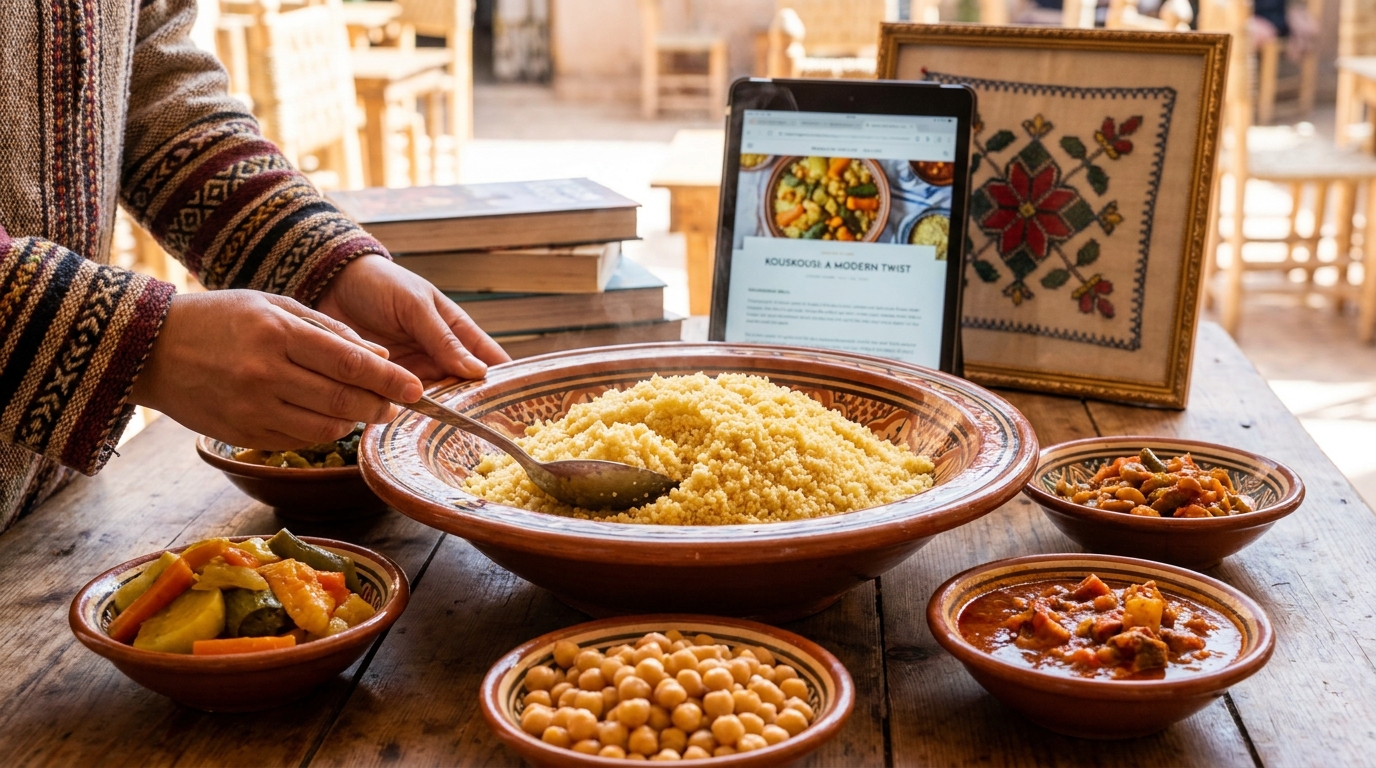
Kouskousi is a term that has gained attention in various cultural and culinary discussions, particularly among people interested in traditional foods, regional heritage, and global cuisine. As international food culture continues to expand through travel, social media, and online recipes, unique dishes and traditional names are becoming more widely recognized across the world. Kouskousi represents one of those intriguing terms that reflects both cultural identity and evolving modern interest.
Food has always played an important role in connecting communities, preserving traditions, and expressing regional creativity. Across generations, traditional dishes become symbols of heritage and local lifestyle. Today, global audiences are increasingly curious about authentic foods and lesser-known culinary traditions, leading to growing interest in names like kouskousi.
The Cultural Importance of Traditional Foods
Traditional foods are more than simple meals. They often represent history, family customs, local agriculture, and cultural identity. In many societies, recipes are passed down from one generation to another, preserving flavors and cooking techniques that have existed for centuries.
Kouskousi appears to belong to this category of culturally meaningful cuisine. Dishes connected to traditional lifestyles often become deeply rooted in community celebrations, family gatherings, and seasonal events. Even as societies modernize, many people continue valuing foods that remind them of their heritage and personal history.
The preservation of traditional dishes has also become increasingly important in a globalized world. As international fast food and industrialized dining continue expanding, interest in authentic local cuisine has grown significantly. People are now actively searching for recipes and culinary experiences that feel natural, handmade, and culturally rich.
Understanding Kouskousi
Although interpretations of kouskousi may vary depending on region and cultural background, the term is often associated with traditional grain-based cuisine or dishes influenced by Mediterranean, Middle Eastern, or North African culinary practices. Similar to couscous and related grain dishes, kouskousi may reflect a style of preparation centered around simple ingredients transformed into flavorful meals.
Traditional grain dishes have remained popular for centuries because they are versatile, affordable, filling, and highly adaptable to local ingredients. They can be served with vegetables, meat, seafood, herbs, or rich sauces depending on regional customs and personal preferences.
Kouskousi reflects the beauty of traditional cooking methods that rely on balance, texture, and natural flavors rather than excessive processing or artificial ingredients.
Historical Background of Grain-Based Cuisine
Grain-based meals have formed the foundation of human diets since ancient times. Civilizations across Africa, Asia, Europe, and the Middle East cultivated grains because they provided reliable nutrition and could be stored for long periods.
Over time, different cultures developed unique ways to prepare grains using steaming, boiling, roasting, and fermentation techniques. These methods created diverse culinary traditions that remain important today.
In Mediterranean and North African regions especially, grain dishes became central to daily life. Families often gathered around large communal meals where grains were combined with seasonal vegetables and aromatic spices. Such traditions emphasized sharing, hospitality, and social connection.
Kouskousi may represent part of this broader historical heritage where food serves not only as nourishment but also as a symbol of unity and cultural continuity.
Ingredients Commonly Associated with Kouskousi
Traditional dishes like kouskousi often rely on simple yet nutritious ingredients. Grains usually form the base of the dish, while additional components add flavor, texture, and variety.
Fresh vegetables frequently play a major role, contributing color and nutritional value. Ingredients such as tomatoes, onions, carrots, zucchini, chickpeas, and peppers are commonly found in Mediterranean-style cooking.
Herbs and spices are equally important because they enhance aroma and create distinctive regional flavors. Depending on local traditions, seasonings may include cumin, coriander, cinnamon, paprika, saffron, mint, or parsley.
Protein options can vary widely. Some versions may include lamb, chicken, seafood, or legumes, while vegetarian adaptations remain highly popular as well.
The flexibility of dishes like kouskousi is one reason for their lasting appeal. Families and cooks can adapt recipes based on available ingredients, seasonal produce, and personal taste preferences.
Traditional Preparation Methods
One of the most fascinating aspects of traditional cuisine is the preparation process itself. Cooking methods often reflect centuries of culinary knowledge and practical adaptation to local environments.
Kouskousi is likely prepared using slow and careful cooking techniques that allow flavors to blend naturally. Grain-based dishes frequently involve steaming or simmering to achieve the ideal texture while preserving nutritional value.
In many traditional kitchens, food preparation is considered both an art and a communal activity. Family members may gather together to prepare ingredients, share stories, and participate in cooking rituals passed down through generations.
These methods create meals that feel deeply connected to heritage and authenticity. Unlike heavily processed convenience foods, traditional dishes emphasize freshness, patience, and craftsmanship.
Nutritional Value and Health Benefits
Traditional grain dishes are often praised for their balanced nutritional profile. Depending on ingredients and preparation methods, kouskousi may offer a combination of carbohydrates, fiber, protein, vitamins, and minerals.
Whole grains provide sustained energy and support healthy digestion. Vegetables contribute antioxidants and essential nutrients, while legumes and lean proteins help create satisfying and nourishing meals.
Modern consumers are increasingly interested in healthy eating habits and natural ingredients. This shift has renewed appreciation for traditional cuisine because many older recipes naturally align with balanced dietary principles.
Compared to highly processed fast foods, traditional meals often contain fewer artificial additives and more nutrient-rich ingredients. As awareness of wellness and nutrition grows, dishes like kouskousi continue attracting health-conscious audiences.
The Role of Kouskousi in Social Gatherings
Food has always been closely connected to social interaction and hospitality. In many cultures, meals are opportunities to strengthen family bonds, celebrate important events, and welcome guests.
Traditional dishes such as kouskousi often hold special significance during gatherings and festive occasions. Large shared meals encourage conversation, generosity, and a sense of community.
Communal dining traditions remain especially strong in Mediterranean and Middle Eastern cultures where hospitality is considered a core social value. Offering food to guests symbolizes respect, friendship, and warmth.
These cultural practices help preserve traditional recipes and ensure they continue being passed from one generation to another.
Modern Popularity of Traditional Cuisine
In recent years, there has been a major global revival of interest in authentic and traditional foods. Consumers increasingly seek meals that feel handmade, culturally meaningful, and connected to natural ingredients.
Restaurants specializing in regional cuisine have become more popular, while social media platforms expose global audiences to diverse culinary traditions. Food bloggers, chefs, and travel influencers frequently highlight lesser-known dishes and cultural recipes.
Kouskousi benefits from this broader movement toward culinary exploration and cultural appreciation. Modern diners are often eager to discover unique flavors and learn about the stories behind traditional foods.
The rise of home cooking has also contributed to renewed interest in classic recipes. Many people now enjoy experimenting with international cuisine in their own kitchens, exploring flavors from different cultures and regions.
Sustainability and Traditional Cooking
Traditional cuisine is often naturally sustainable because it relies on local ingredients, seasonal produce, and minimal food waste. Many older recipes developed during times when communities depended heavily on efficient resource use and agricultural balance.
Kouskousi may reflect this sustainable approach to cooking by emphasizing grains, vegetables, and flexible ingredient combinations. Meals based on plant-focused ingredients generally have lower environmental impact compared to heavily industrialized food production.
Modern consumers are becoming increasingly aware of environmental issues and the importance of sustainable food systems. As a result, traditional dishes are gaining recognition not only for their flavor but also for their environmentally friendly characteristics.
Cooking methods rooted in simplicity and local sourcing align closely with current sustainability trends in global food culture.
The Influence of Globalization on Culinary Traditions
Globalization has dramatically changed the way people experience food. Ingredients, recipes, and cooking styles now travel across continents faster than ever before. This has created exciting opportunities for cultural exchange while also raising concerns about preserving culinary heritage.
Kouskousi represents the type of traditional dish that can gain international recognition through digital media, travel, and multicultural dining experiences. As people become more adventurous with food choices, interest in regional specialties continues growing.
At the same time, preserving authenticity remains important. Many chefs and cultural advocates emphasize the value of respecting traditional preparation methods and understanding the historical context behind classic dishes.
Balancing innovation with tradition allows culinary culture to evolve while maintaining its roots.
Why People Are Drawn to Authentic Food Experiences
Modern consumers increasingly value experiences that feel genuine and meaningful. In food culture, this often translates into appreciation for handmade meals, local traditions, and recipes connected to real communities.
Kouskousi appeals to this desire for authenticity because it represents more than simple nourishment. Traditional dishes carry stories, memories, and cultural identity that industrialized foods often lack.
People today are also more curious about global cultures and lifestyles. Exploring international cuisine provides a way to learn about history, geography, and social customs through flavor and cooking traditions.
This emotional and cultural connection makes authentic foods especially memorable and rewarding.
The Future of Traditional Cuisine
The future of traditional cuisine looks promising as more consumers embrace cultural diversity, healthy eating, and sustainable living. Younger generations are increasingly interested in preserving family recipes and rediscovering local food traditions.
Technology and digital media continue helping traditional dishes reach global audiences. Online recipes, cooking tutorials, and food documentaries allow people everywhere to learn about regional cuisine and experiment with new flavors.
Kouskousi may continue gaining recognition as part of this broader movement celebrating authentic culinary heritage. As interest in cultural food experiences grows, traditional dishes are likely to remain important elements of global dining culture.
Restaurants, food festivals, and culinary tourism will also continue playing significant roles in introducing audiences to unique regional specialties.
Conclusion
Kouskousi reflects the enduring value of traditional cuisine in a rapidly modernizing world. Whether appreciated for its cultural roots, nutritional qualities, communal significance, or rich flavors, it represents the timeless connection between food, heritage, and human experience.
As global interest in authentic dining and sustainable cooking continues to expand, traditional dishes like kouskousi are gaining renewed recognition among modern audiences. Their emphasis on natural ingredients, careful preparation, and cultural identity makes them especially meaningful in today’s fast-paced digital society.
Food remains one of the most powerful ways to connect people across cultures and generations. Through dishes such as kouskousi, culinary traditions continue preserving history, strengthening communities, and inspiring curiosity about the diverse flavors of the world.