When it comes to managing chronic skin conditions, finding a solution that actually works can feel overwhelming. Eczedone has recently gained attention as a promising topical treatment for issues like psoriasis and dermatitis—and many users are asking if it truly lives up to the hype.
In this detailed review, we explore what Eczedone cream is, how it works, and whether it deserves a place in your skincare routine. Backed by real-world insights and practical analysis, this guide breaks everything down in a clear, no-nonsense way.
What Is Eczedone and How Does It Work?
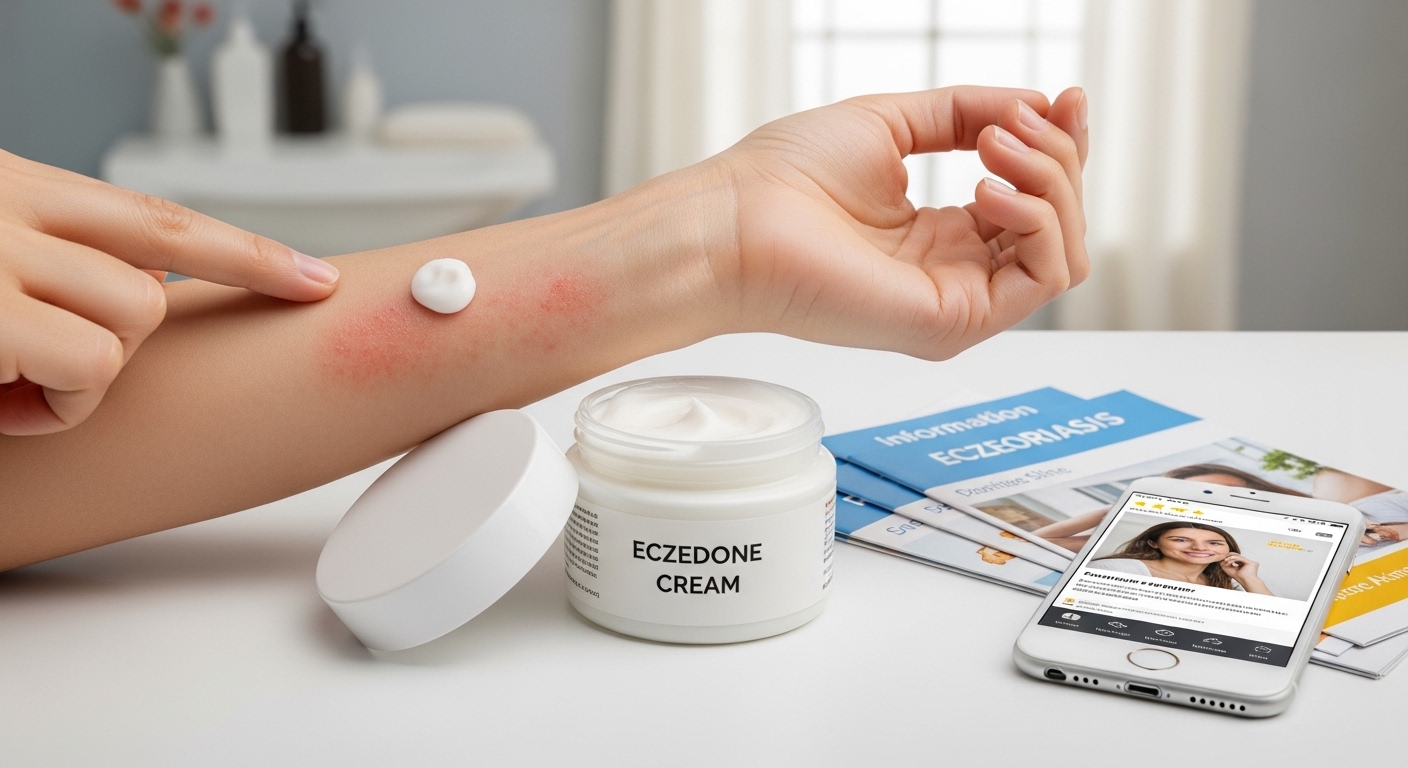
Eczedone is a topical cream designed to soothe inflamed skin, reduce irritation, and help restore the skin barrier. It is commonly marketed for conditions such as psoriasis, eczema, and dermatitis—conditions that often cause redness, itching, and dryness.
At its core, Eczedone works by combining anti-inflammatory and moisturizing properties. These help calm the immune response in the skin while also hydrating damaged areas. This dual-action approach is particularly important because most chronic skin conditions involve both inflammation and a weakened skin barrier. Unlike harsh steroid-based creams, many formulations of aim to offer a gentler alternative. This makes it appealing for people looking for long-term management without strong side effects.
Why Eczedone Is Gaining Popularity
A Modern Approach to Skin Relief
One reason Eczedone is becoming widely discussed is its focus on balanced skincare. Instead of simply suppressing symptoms, it supports overall skin health.
Many users report noticeable improvements within a few weeks of consistent use. Reduced itching, smoother texture, and less visible redness are among the most commonly shared benefits.
Real-World Insight
Consider someone dealing with persistent dermatitis flare-ups. Traditional treatments may offer temporary relief but often come with drawbacks like skin thinning or dependency. In such cases, Eczedoe presents itself as a more sustainable option, especially for daily maintenance.
Key Benefits of Using Eczedone for Psoriasis and Dermatitis
1. Reduces Inflammation
One of the primary advantages of Eczedone is its ability to calm inflamed skin. This is crucial for conditions like psoriasis, where inflammation is a major trigger.
2. Deep Moisturization
Dry skin often worsens symptoms. Eczedone helps restore hydration, making the skin softer and more resilient.
3. Supports Skin Barrier Repair
A damaged skin barrier allows irritants to penetrate more easily. By strengthening this barrier, Eczedone helps prevent future flare-ups.
4. Gentle on Sensitive Skin
Unlike some aggressive treatments, Eczedone is generally well-tolerated, making it suitable for sensitive skin types.
Ingredients Breakdown: What Makes Eczedone Effective?
While formulations may vary, most Eczedone creams include a blend of soothing and hydrating ingredients. Here’s a simplified overview:
| Ingredient Type | Function | Benefit for Skin |
|---|---|---|
| Anti-inflammatory agents | Reduce redness and swelling | Calms irritated skin |
| Emollients | Lock in moisture | Prevents dryness and cracking |
| Humectants | Attract water to the skin | Keeps skin hydrated |
| Skin barrier boosters | Repair damaged layers | Improves long-term skin health |
This balanced combination is what gives Eczedne its edge over single-action treatments.
How to Use Eczedone Cream Effectively
Consistency Is Key
For best results, Eczedone should be applied regularly to clean, dry skin. Most users find that applying it twice daily—morning and night—yields optimal outcomes.
Application Tips
Use a small amount and gently massage it into the affected area. Avoid over-applying, as more product does not necessarily mean better results.
Pairing With a Routine
Eczedone works best when combined with a gentle skincare routine. Avoid harsh soaps or irritants that could counteract its benefits.
Eczedone vs Traditional Treatments
A Shift Away From Steroids
Traditional treatments for psoriasis and dermatitis often rely on corticosteroids. While effective, they can cause side effects with prolonged use.
Eczedone offers a different approach. Instead of aggressively suppressing symptoms, it supports the skin’s natural healing process.
When to Choose Eczedone
Eczedone is particularly useful for:
- Mild to moderate skin conditions
- Long-term maintenance
- Sensitive or reactive skin
However, for severe cases, medical consultation is always recommended.
Potential Drawbacks and Considerations
No product is perfect, and Eczedone is no exception. While generally safe, results can vary depending on the individual.
Some users may experience slower results compared to stronger medications. Others might need to test the product first to ensure compatibility with their skin. It’s also important to remember that skincare is highly personal. What works well for one person may not work the same way for another.
Expert Tips for Managing Psoriasis and Dermatitis
Beyond using Eczedone, a holistic approach can significantly improve results.
Maintain Skin Hydration
Drink enough water and use gentle moisturizers alongside your treatment.
Avoid Triggers
Common triggers include stress, harsh weather, and certain skincare products. Identifying these can help reduce flare-ups.
Stick to a Routine
Consistency in skincare is often more effective than trying multiple products at once.
Final Verdict
Eczedone stands out as a balanced, user-friendly option for managing psoriasis and dermatitis. It may not be a miracle cure, but it offers a practical and gentle approach to long-term skin care.
For those seeking relief without the risks associated with stronger medications, is certainly worth considering. Its combination of soothing, hydrating, and protective properties makes it a solid addition to a well-rounded skincare routine. Ultimately, the effectiveness of Eczedone depends on consistent use and realistic expectations. When used correctly, it can play a meaningful role in improving skin comfort and appearance.